LIMNMEDIA - Swing Motor Mount Plate & Belt Tension
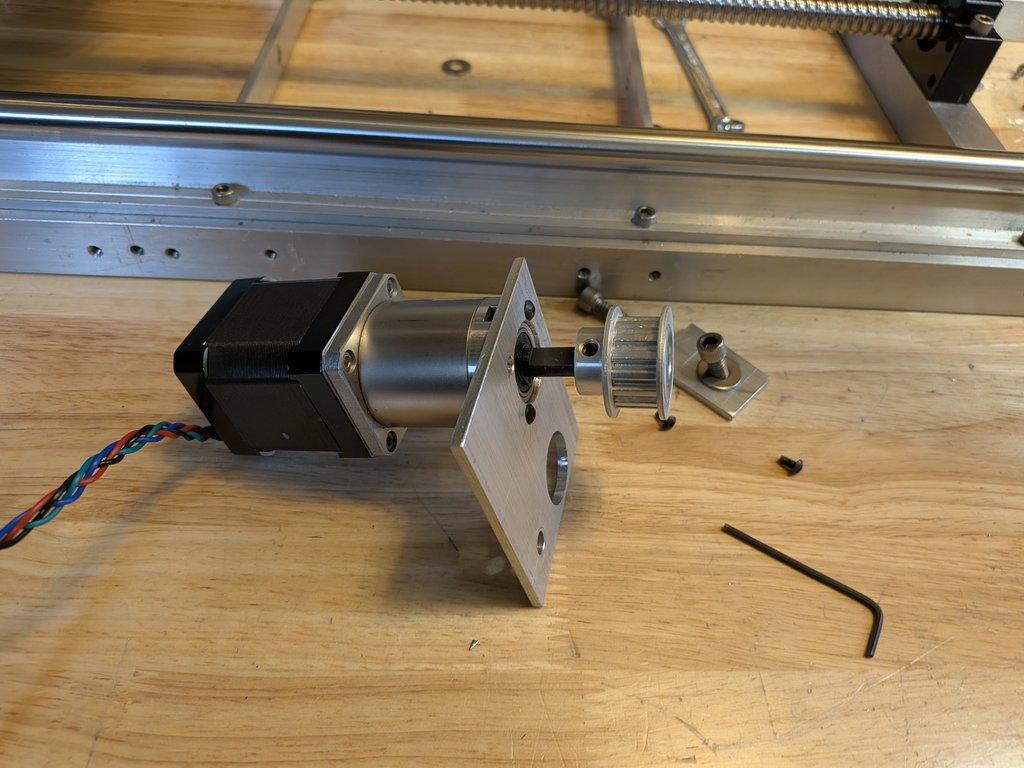
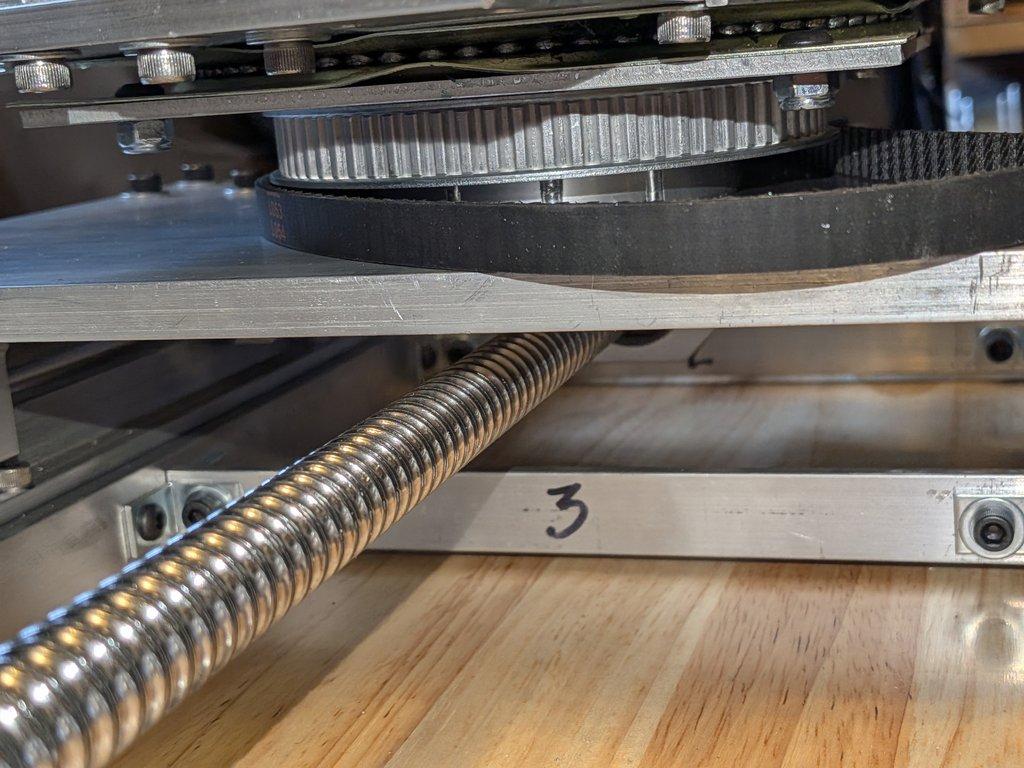
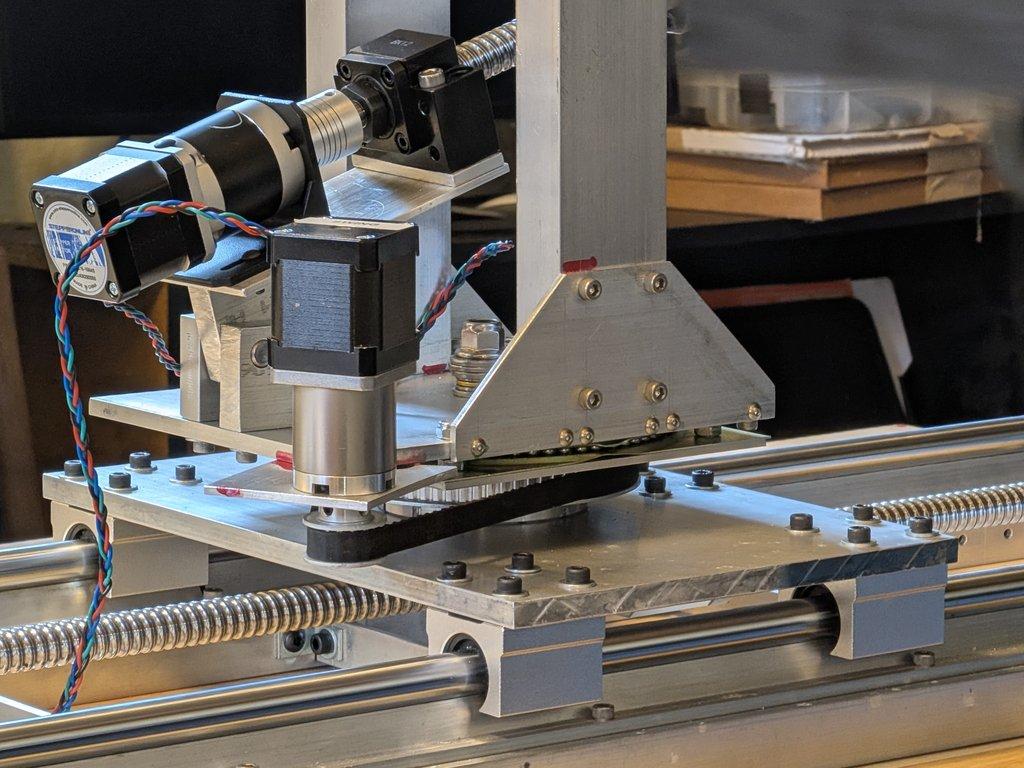
This stage shows the final fabrication of the motor mount plate for the swing axis, along with the first fitment of the belt system.
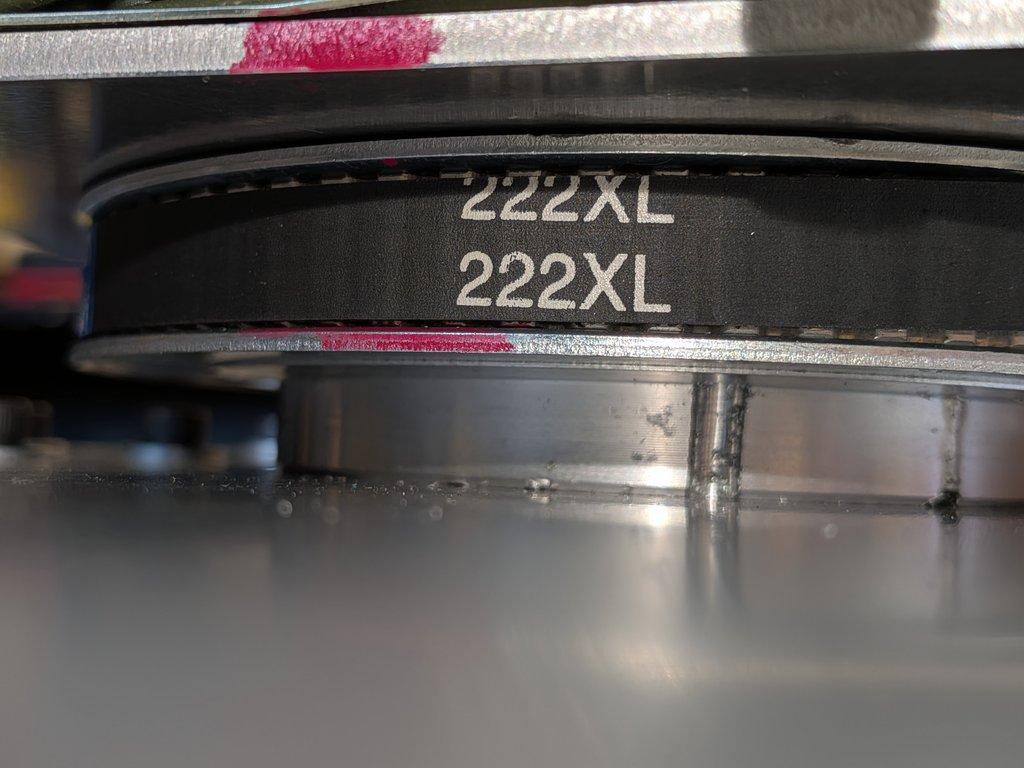
The belt arrived for this step—an XL 222 belt—and this is where the swing drive starts to come together as a working system.
⸻
Motor Mount & Tension Adjustment
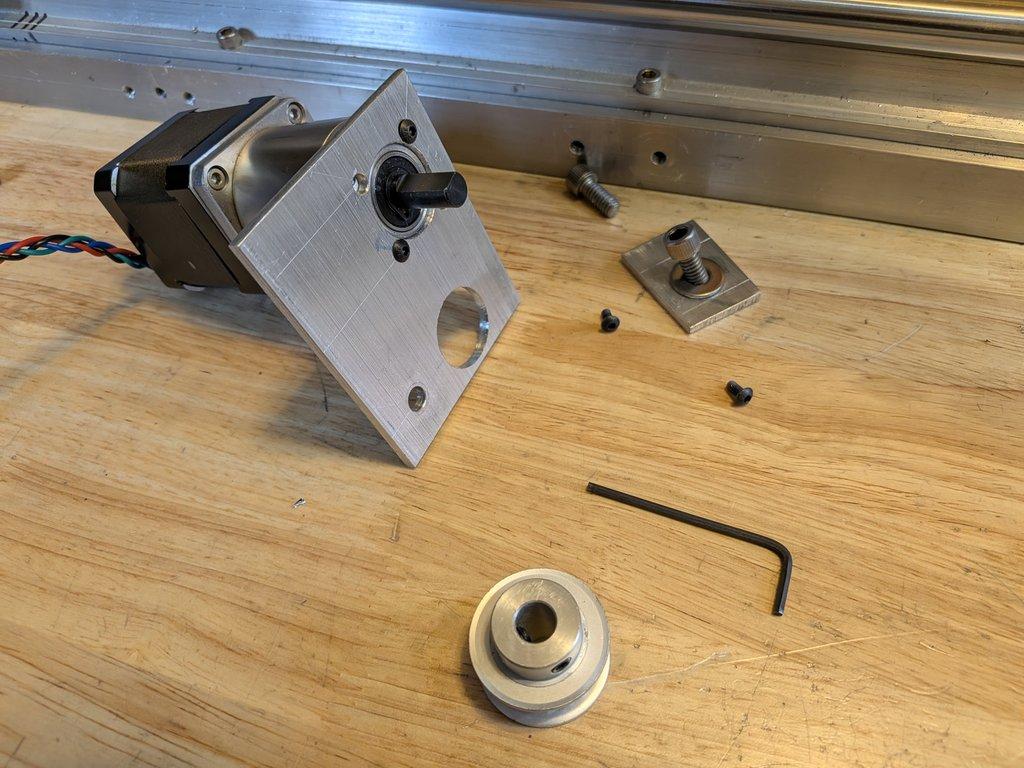
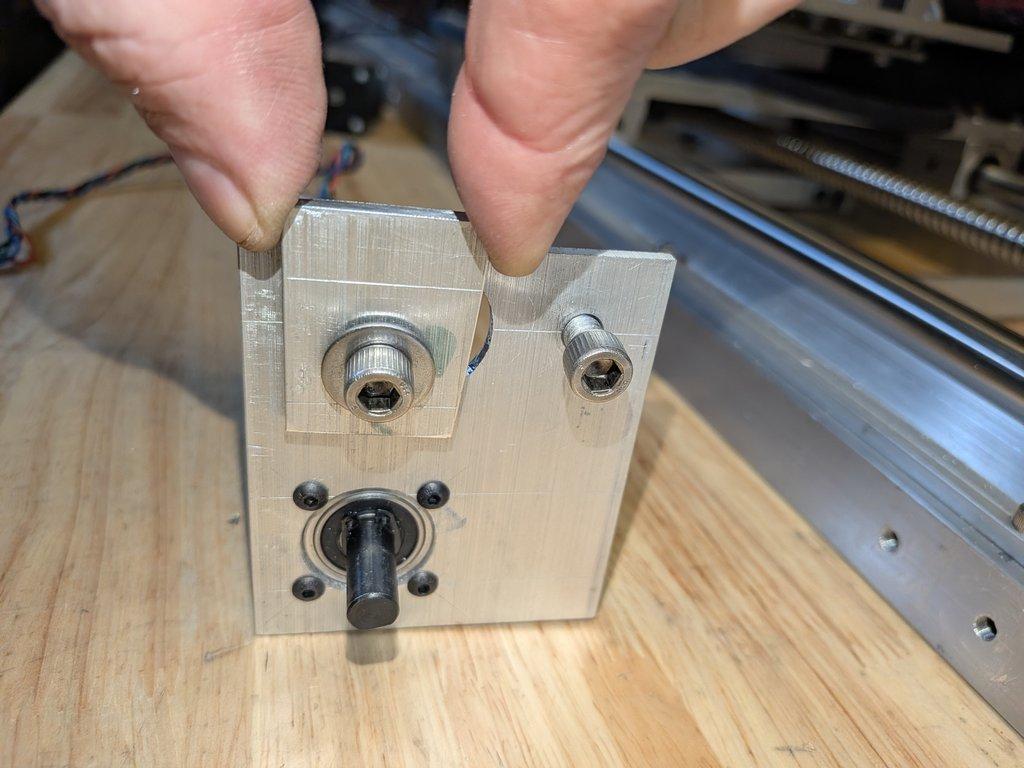
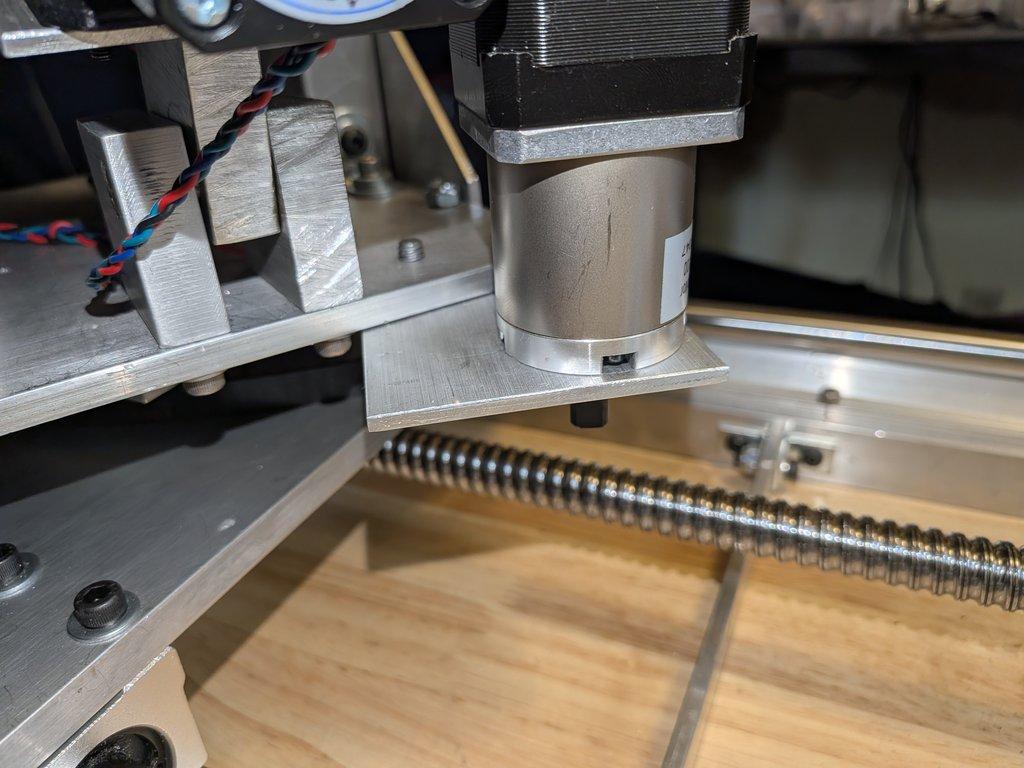
The motor is mounted to a plate that allows for basic belt tension adjustment.
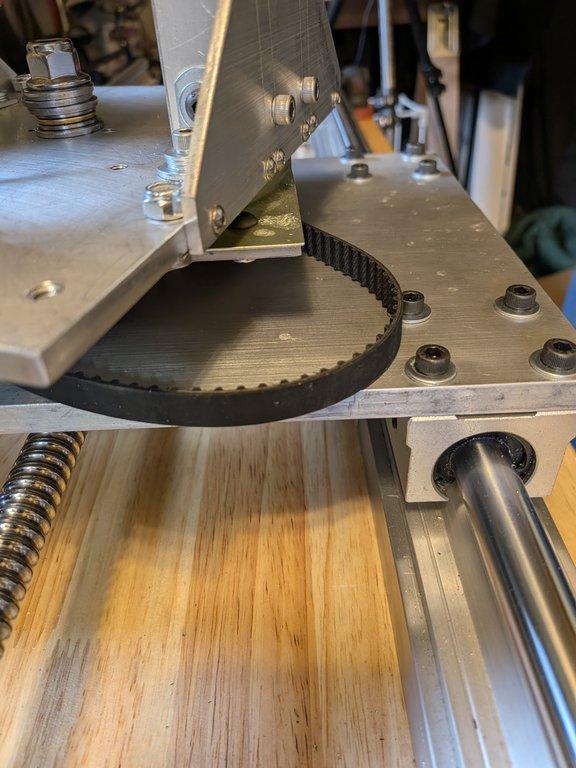
The setup is simple:
- two mounting screws hold the motor plate
- one of those holes is oversized
- an additional aluminum piece acts like a large washer, covering the slot
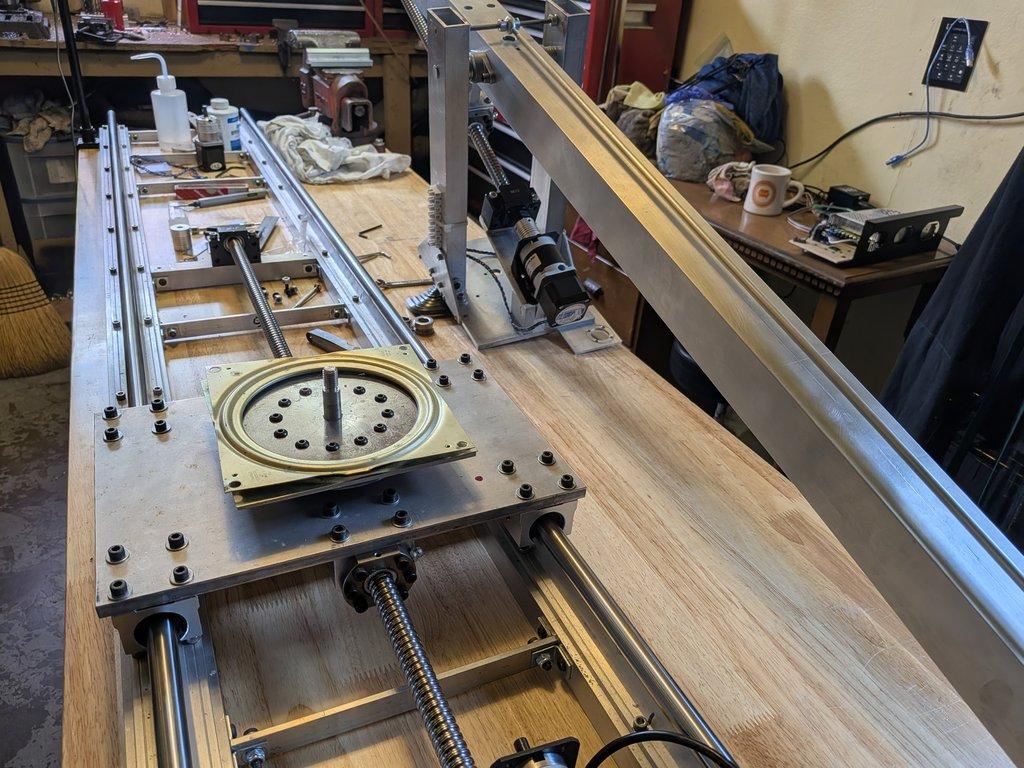
This allows the motor plate to rotate slightly, shifting the motor shaft position and adjusting the belt tension.
It’s a straightforward approach—loosen, rotate, tighten—but it works for getting the system up and running.
⸻
Notes
This is one of those parts where I leaned a little too much on guesswork.
The layout wasn’t fully resolved ahead of time, and it shows. The adjustment works, but it’s not as clean or controlled as it could be.
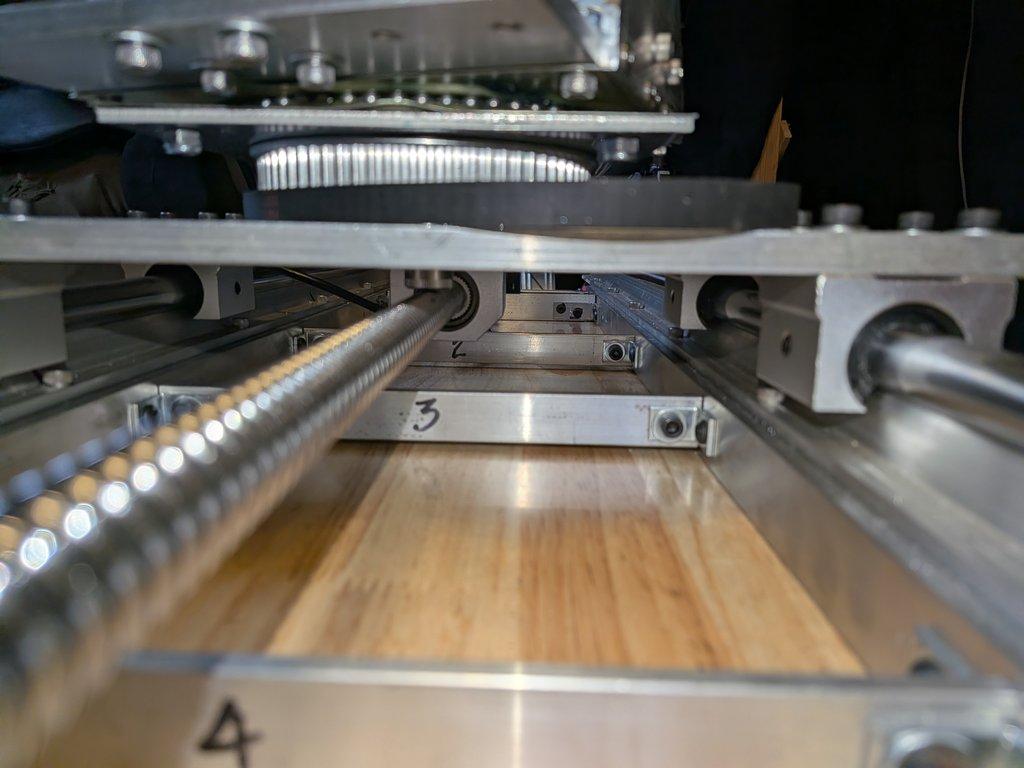
Of all the components on the crane that were originally explored in a 3D design environment, this one was probably the least developed, and I made a conscious decision to just build it and see what happened.
Let the cards fall where they may.
⸻
Observations
- The tensioning method works, but it’s not ideal
- The adjustment range is somewhat limited and not very precise
- The overall geometry could be improved significantly *
That said, it does exactly what it needs to do for now:
- holds the motor
- drives the belt
- allows basic tensioning
⸻
Context
This is a good example of where prototyping shines.
Instead of over-designing this piece up front, it’s been built quickly to:
- test the concept
- understand real-world constraints
- reveal what actually needs to change
Now there’s something concrete to redesign from.
⸻
Why This Matters
Not every part needs to be perfect on the first pass.
Some parts benefit from being:
built quickly → tested → redesigned properly
This is definitely one of those parts.
It’s also a reminder that even in a system with a lot of thought behind it, there will always be components that need to be resolved through iteration.

Christopher Weinberg
Christopher Weinberg is the founder of LIMNMEDIA, where he develops motion control systems, production workflows, and educational tools focused on stop-motion and hybrid filmmaking. With over 15 years of experience in production, his work centers on making complex techniques more accessible through practical engineering and open development. He is currently building LIMNMOCO, a modular motion control system designed for flexible, real-world use.
No comments yet. Login to start a new discussion Start a new discussion