LIMNMEDIA - Repositioning Uprights & Adding Gussets
This stage involves reworking the placement of the uprights on the base plate and adding gussets to support them
It’s a step back in one sense—but actually a step forward in terms of structure and long-term stability.
This is where the build starts to feel more like a machine and less like a collection of parts.
⸻
Objective
The goal here is to improve:
- alignment of the uprights
- overall rigidity of the structure
- load handling at the base of the crane
And just as importantly, to correct positioning before moving further into the build.
⸻
Process
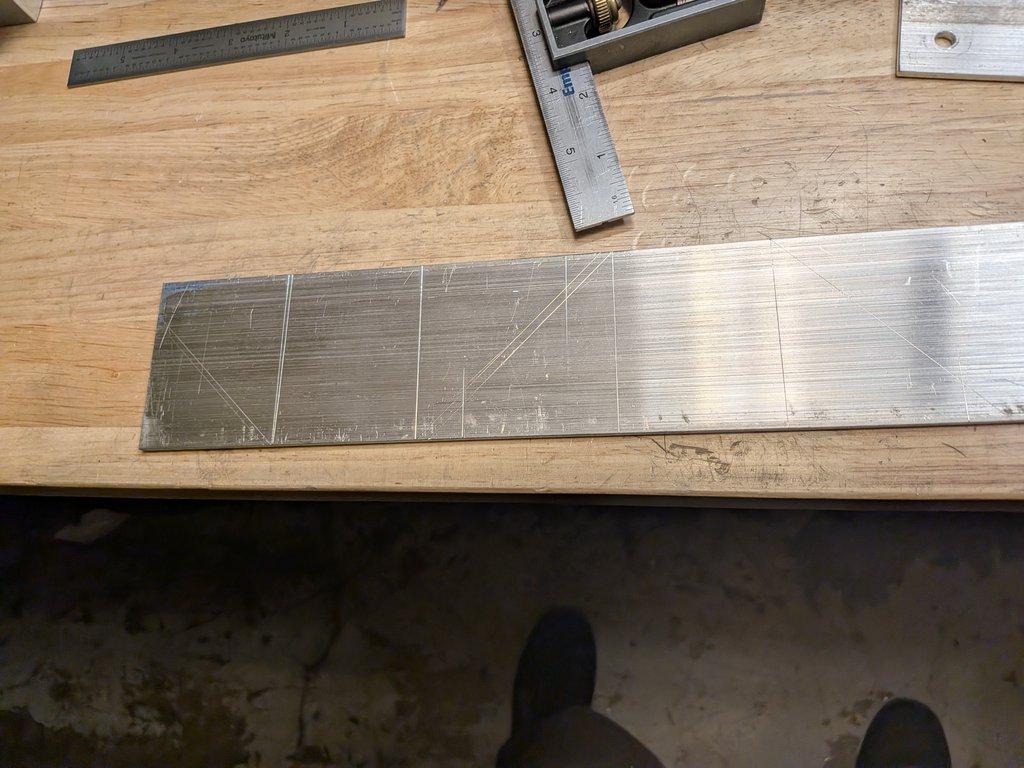
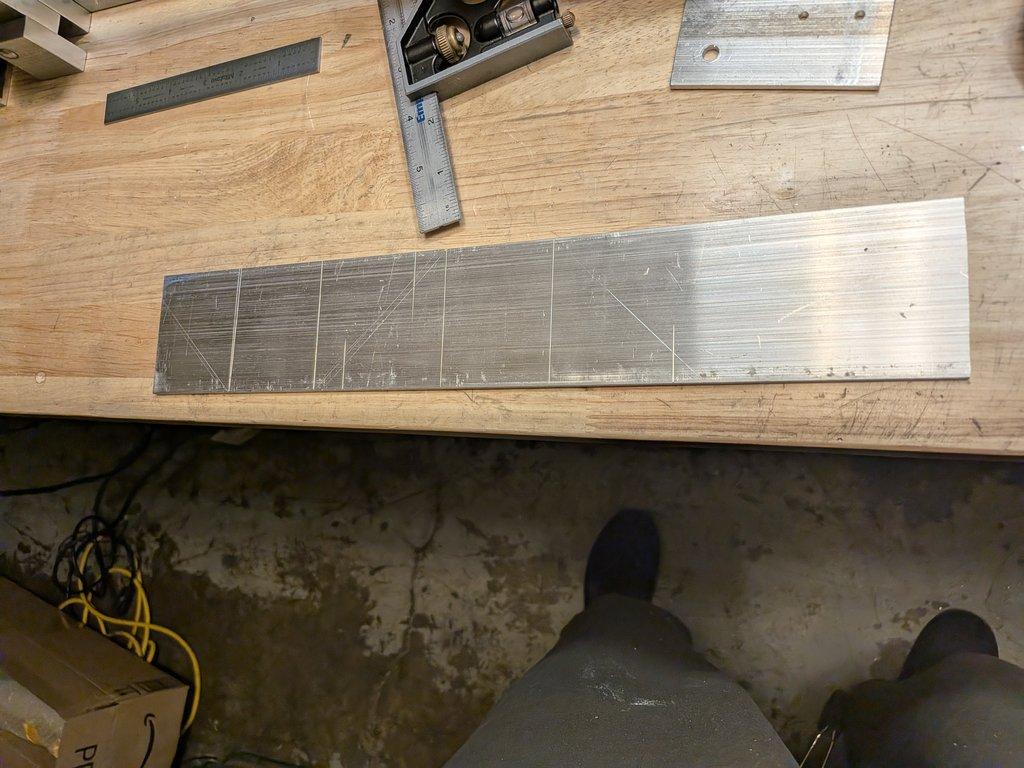
After assembling more of the system, it became clear that the original placement of the uprights needed adjustment. Rather than forcing the existing setup to work, the decision was made to reposition them properly on the base plate.
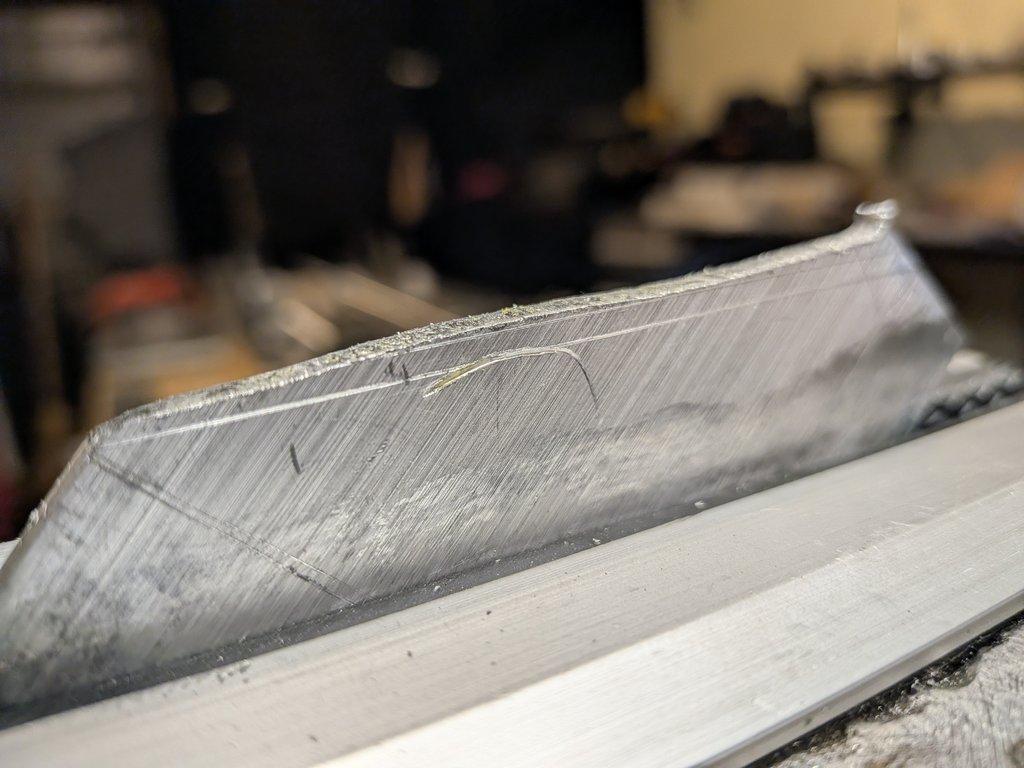
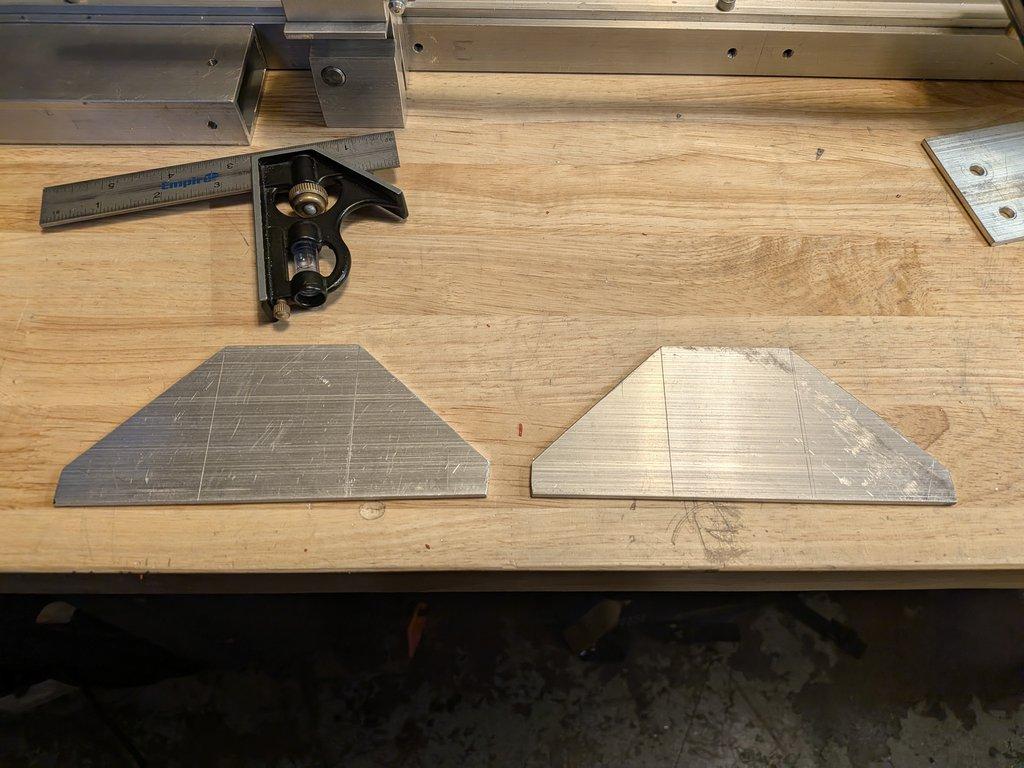
Once the uprights were moved, gussets were introduced to reinforce the connection. These are cut and fitted pieces that tie the vertical uprights into the base plate at an angle, increasing stiffness and reducing flex.
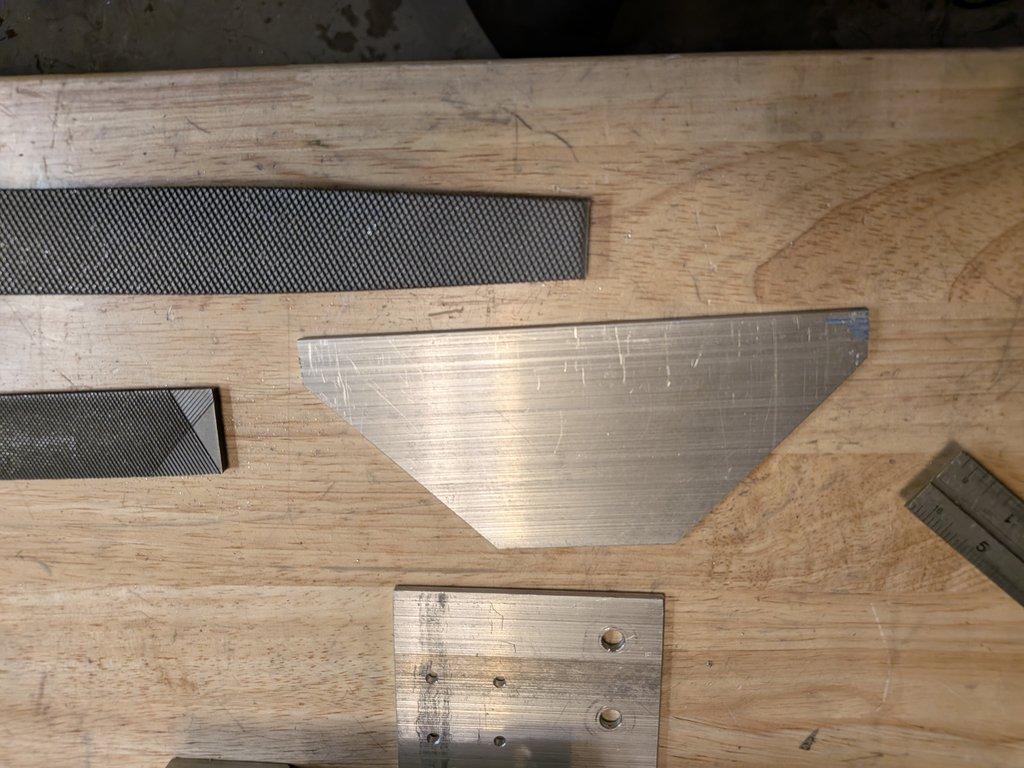
The gussets are fitted carefully, making sure they sit flush against both surfaces before fastening. This step is less about speed and more about getting clean contact and solid support.
⸻
Notes
This is a great example of something that comes up in real builds all the time: you don’t always get it right on the first pass—and that’s okay.
Catching it now is what matters.
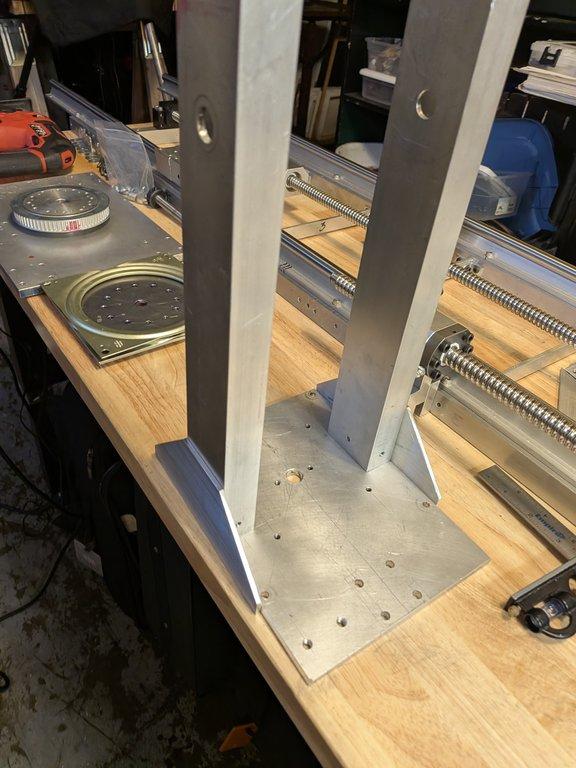
The uprights carry a lot of responsibility:
- they support the boom
- they define the vertical geometry
- they transfer load down into the base
So their position and rigidity are critical.
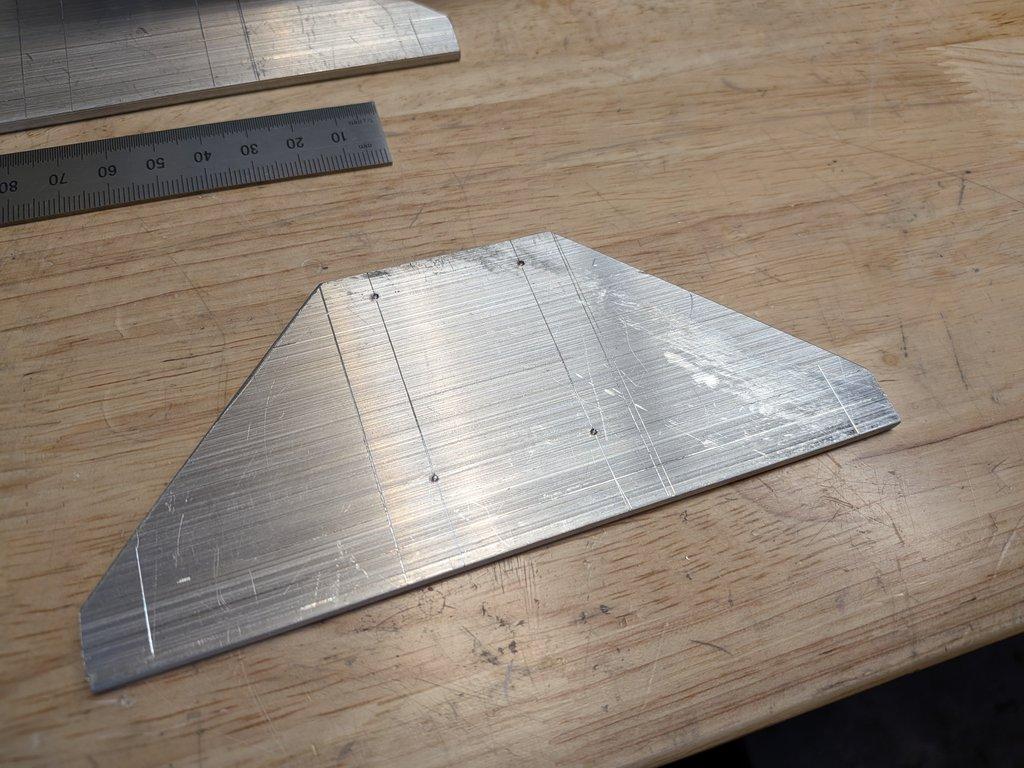
Adding gussets makes a noticeable difference. Even simple ones can dramatically increase stiffness, especially in aluminum structures where flex can creep in more than expected.
And again, this is destructive work. Moving uprights means new holes, new fits, and committing to a better position. Taking the time to measure and think through the geometry before drilling pays off here.
⸻
LIMNMOCO Context
This step strengthens the transition between:
- the base system (track + rotation)
- the vertical structure (uprights + boom support)
It’s part of turning the crane into a load-bearing system, not just a motion system.
The gussets are doing quiet but important work: keeping everything square, stable, and predictable as forces increase.
⸻
Why This Matters
As the build progresses, small flexes become big problems.
What might seem fine when parts are light and unloaded can shift once:
- the boom is attached
- the camera is added
- the system starts moving under power
Repositioning the uprights and reinforcing them now prevents those issues from showing up later.
This is one of those moments where:
correcting early is far easier than compensating later

Christopher Weinberg
Christopher Weinberg is the founder of LIMNMEDIA, where he develops motion control systems, production workflows, and educational tools focused on stop-motion and hybrid filmmaking. With over 15 years of experience in production, his work centers on making complex techniques more accessible through practical engineering and open development. He is currently building LIMNMOCO, a modular motion control system designed for flexible, real-world use.
No comments yet. Login to start a new discussion Start a new discussion