LIMNMEDIA - Pan Axis Fitment & Camera Head Direction
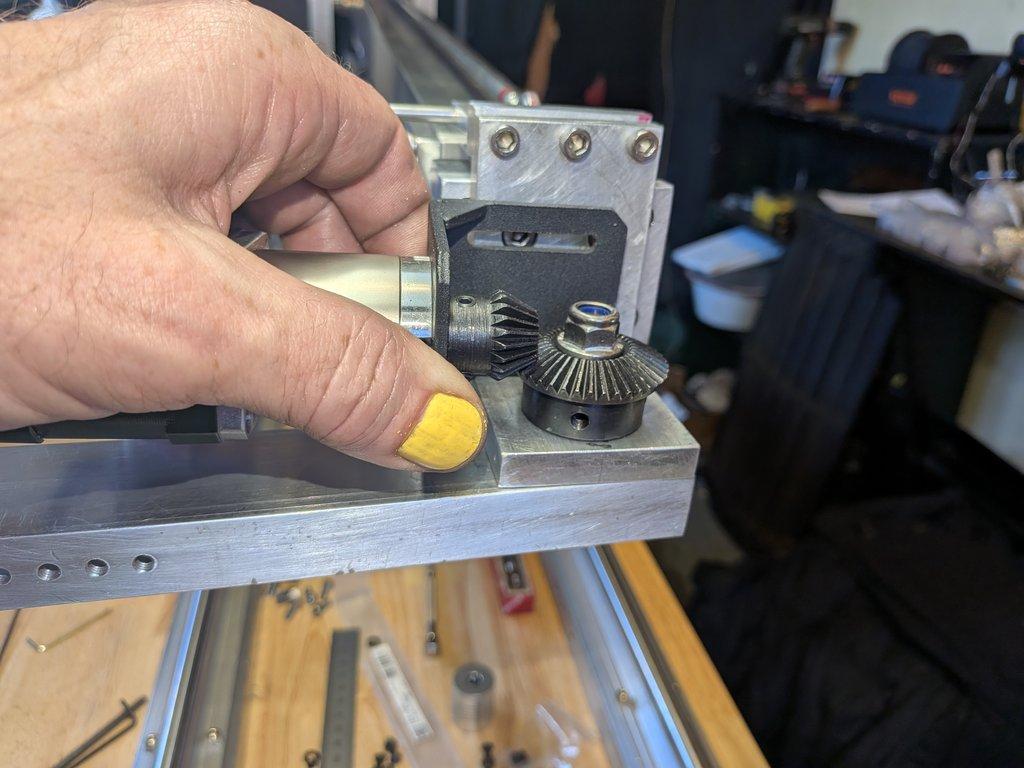
This set of images shows the fitting of the pan axis in the LIMNMOCO stop-motion crane camera head.
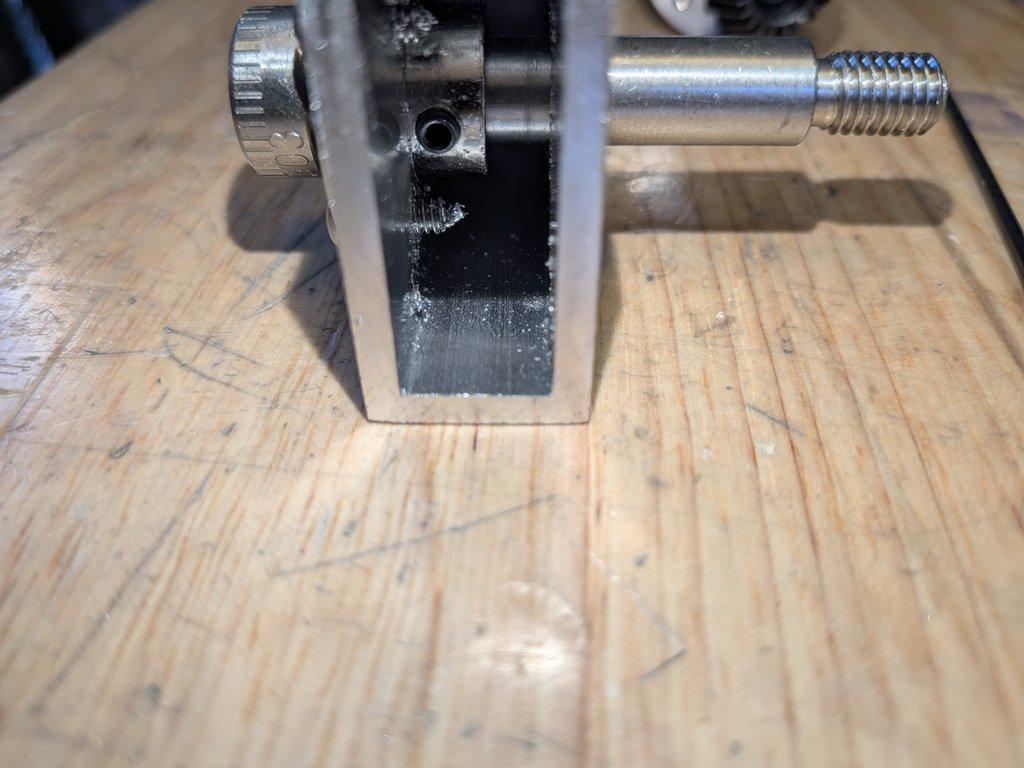
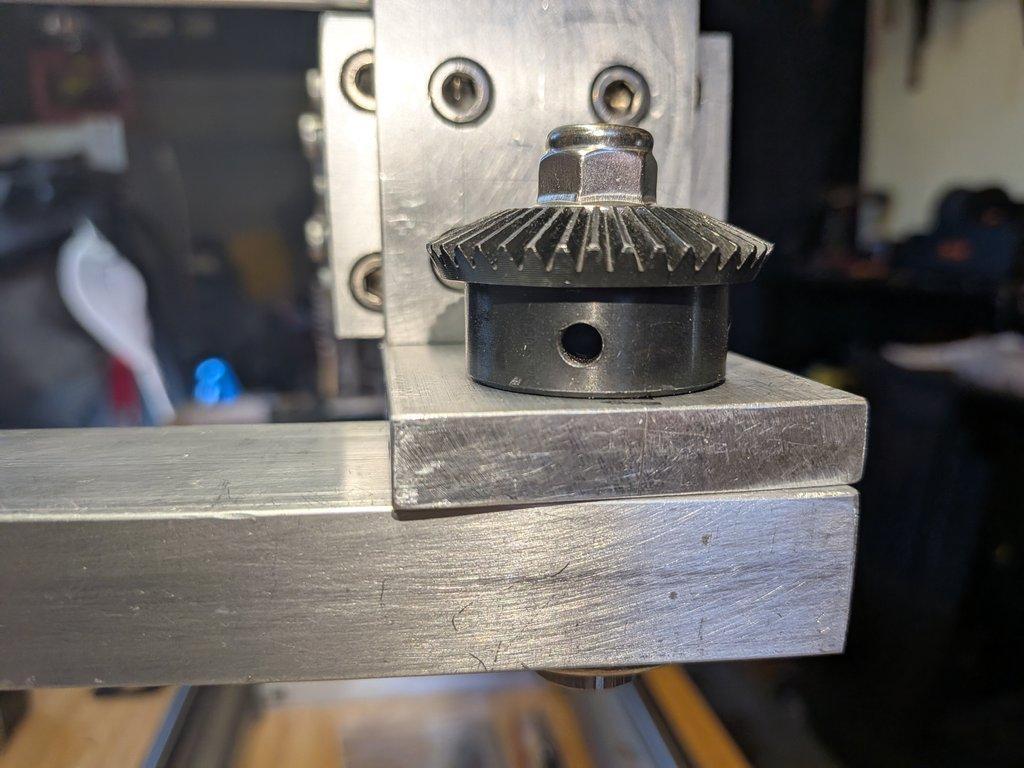
For the pan drive, I’m using a miter gear arrangement with a gear ratio to gain more resolution in the movement. The pan axis has a different load condition than the tilt axis, which opened up the option of using a set screw instead of a keyed shaft.
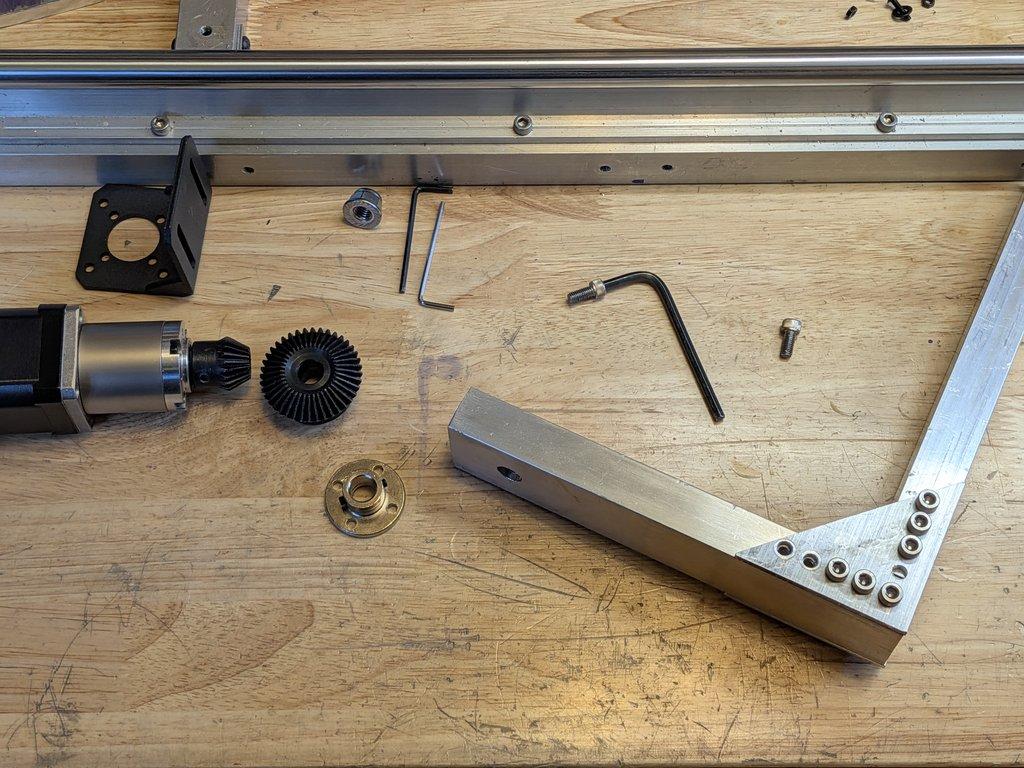
That makes the part easier to source and fit, but it also introduces a compromise.
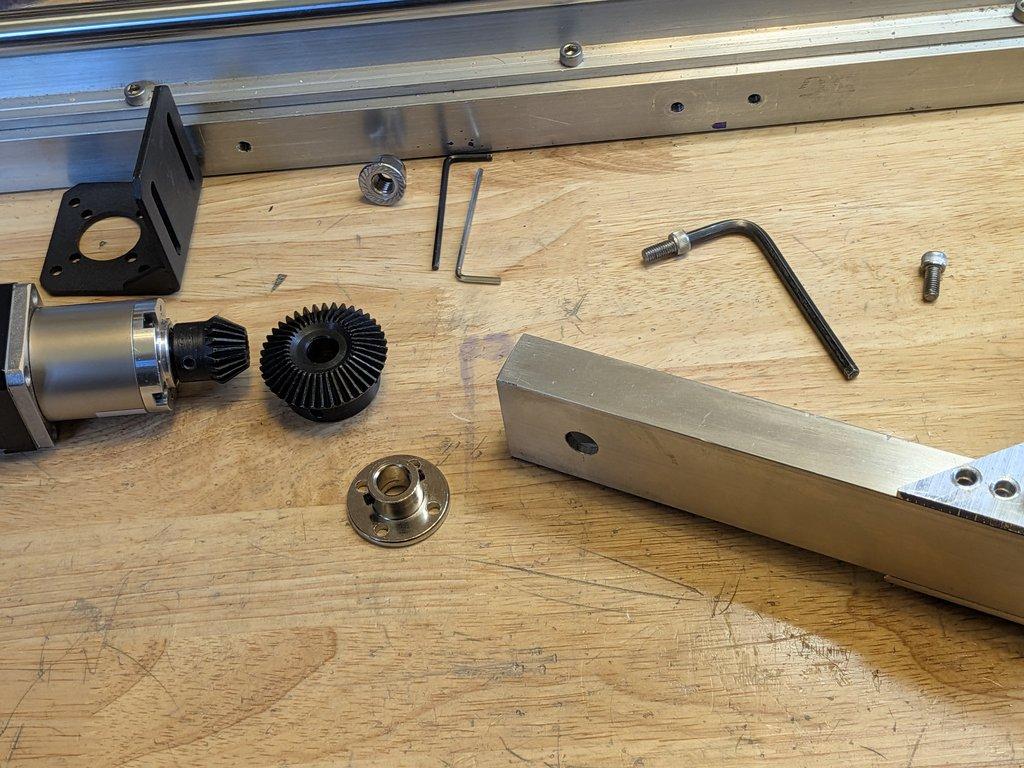
Pan Drive Fitment
The pan axis does not carry load in quite the same way as tilt, so the gear connection can be handled differently.
In this version, the gear is held with a set screw. That works for testing, but it also means the pan calibration could be disturbed if the head is bumped, crashed into a set, or otherwise forced out of position.
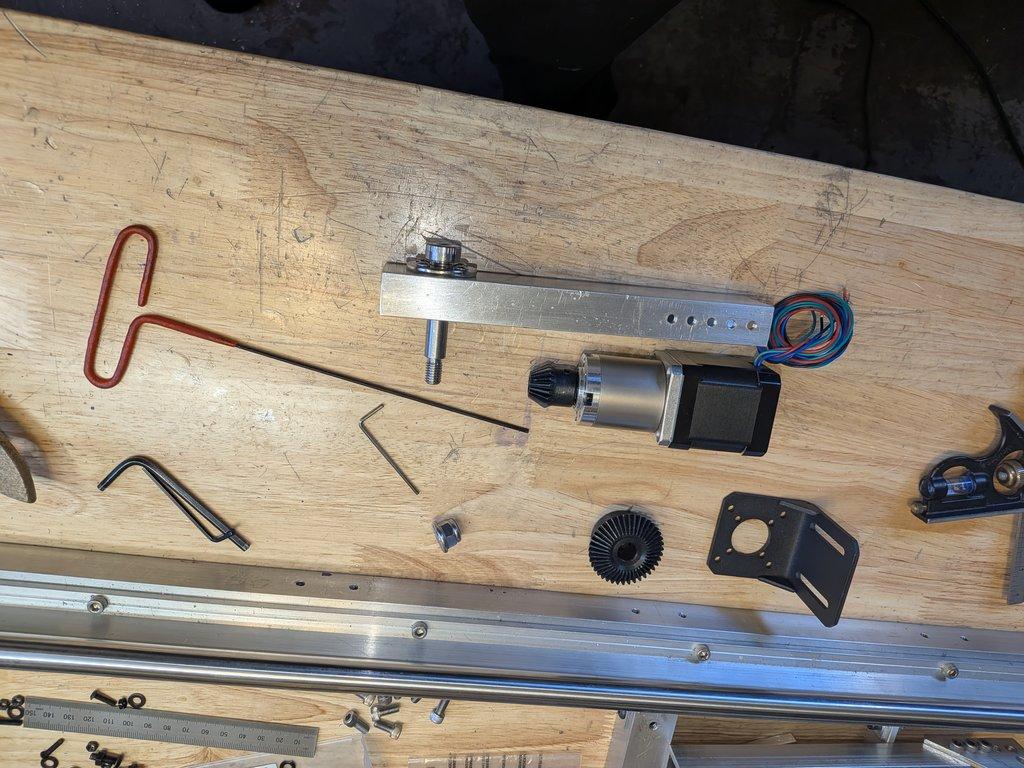
That is not ideal for a motion control system for stop-motion, where calibration and repeatability are the whole point.
This is one of the parts of the LIMNMOCO build that is already pointing toward a custom solution.
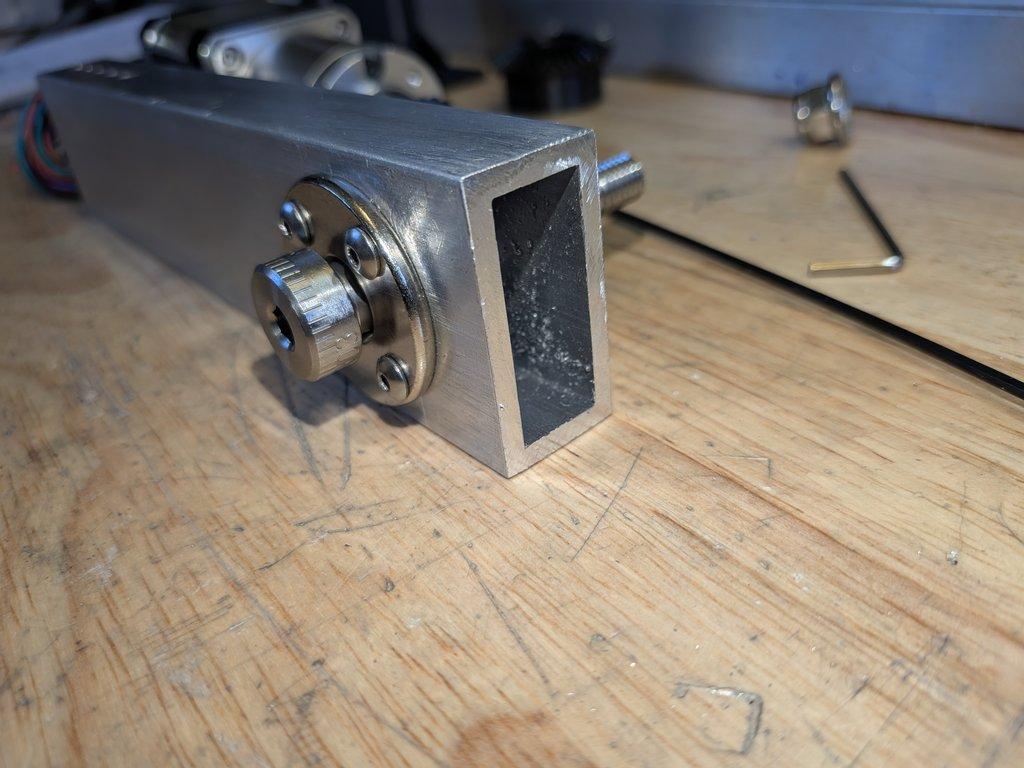
Why This Part Wants to Be Custom
The pan and tilt rotation stages are crucial parts of the camera head system.
Off-the-shelf parts exist, but they tend to miss the specific balance this application needs:
- compact size
- smooth motion
- enough load capacity
- low backlash
- reasonable cost
- not wildly overbuilt
That combination is harder to find than it sounds.
A part may be strong enough, but too large. Or small enough, but not smooth enough. Or perfect mechanically, but priced like it belongs inside a satellite.
So pan and tilt are already candidates for custom LIMNMEDIA-designed worm gear components in the future.
Camera Head as Its Own System
The camera head is not just the end of the crane.
It is becoming a detachable motion control system of its own.
Mounted on the LIMNMOCO crane, it gives pan and tilt control at the end of the jib. But the same head could also be used separately, mounted on a slider or a rotator, with or without the full crane structure.
That matters because a camera head alone can produce a lot of dynamic stop-motion camera movement.
The crane expands the motion.
The head defines the shot.
Stepping Back
It helps to remember what this device really is.
LIMNMOCO looks like a crane, but its job is not picking things up and setting them down.
It is a motion-controlled camera animation rig.
The jib structure offsets the camera through space, but the larger goal is system integration: connecting physical camera movement on stage to the digital planning and CG-aware workflows around it.
There are many ways to move a stop-motion camera when shooting traditionally in-camera. LIMNMOCO is about making that movement repeatable, measurable, and easier to connect to the digital realm.

Christopher Weinberg
Christopher Weinberg is the founder of LIMNMEDIA, where he develops motion control systems, production workflows, and educational tools focused on stop-motion and hybrid filmmaking. With over 15 years of experience in production, his work centers on making complex techniques more accessible through practical engineering and open development. He is currently building LIMNMOCO, a modular motion control system designed for flexible, real-world use.
No comments yet. Login to start a new discussion Start a new discussion