LIMNMEDIA - Driver & Control Circuits
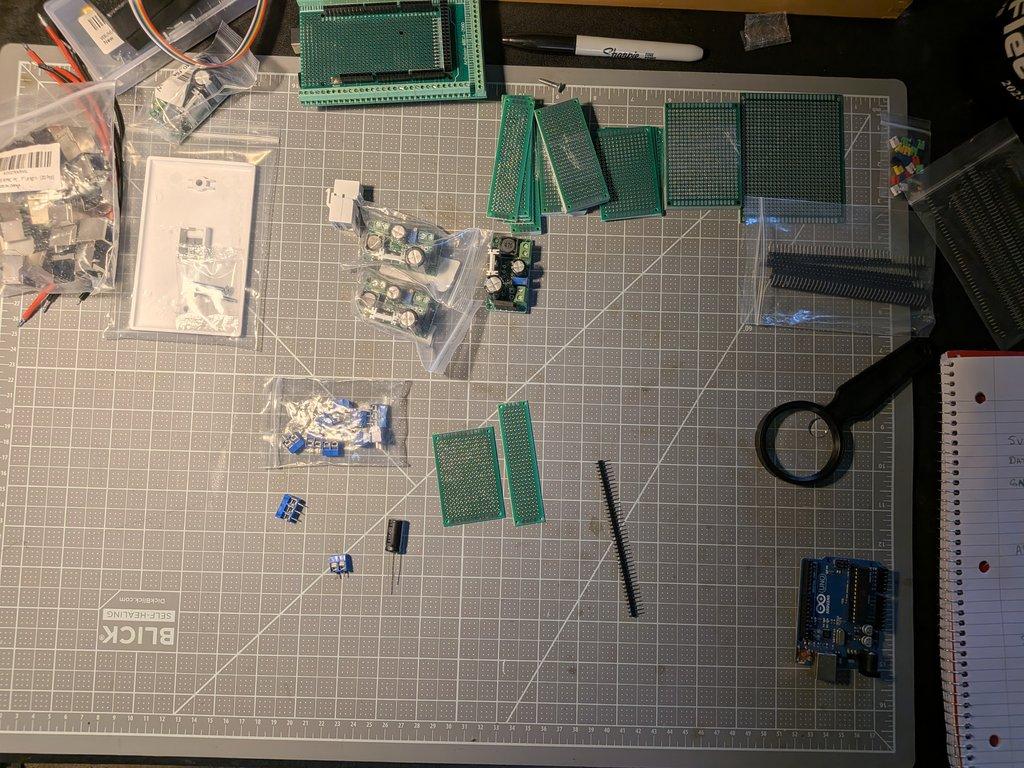
This set of images shows the start of the driver and control system.
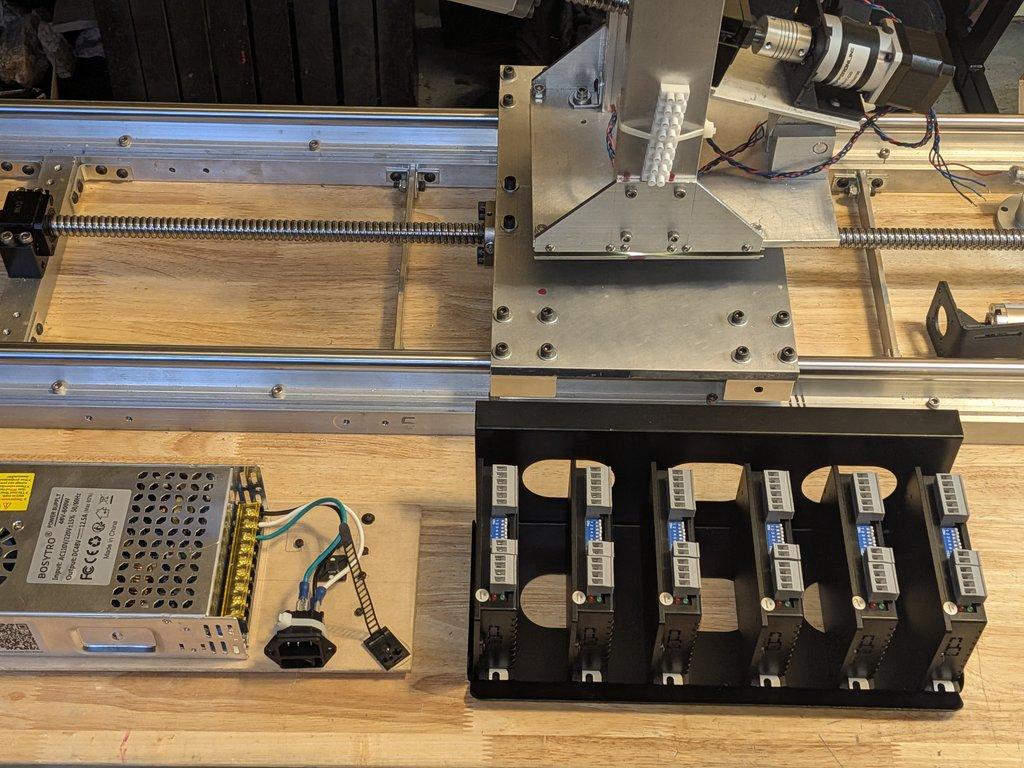
It works well here.
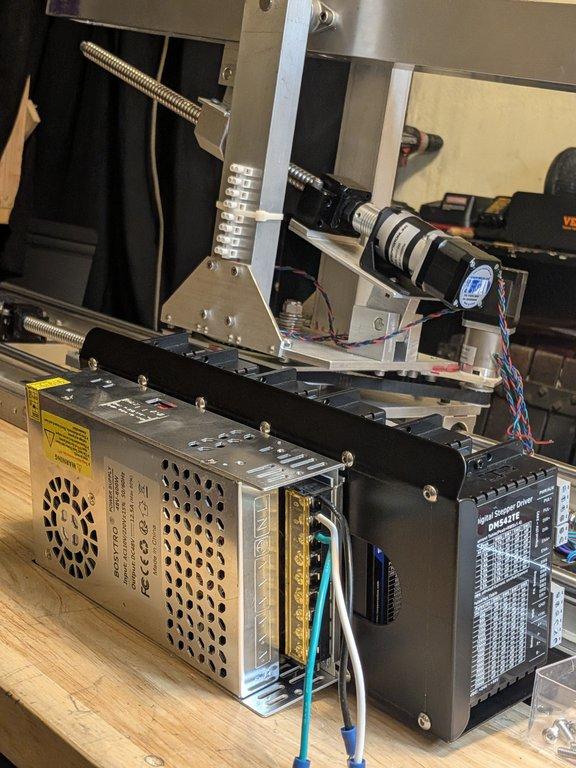
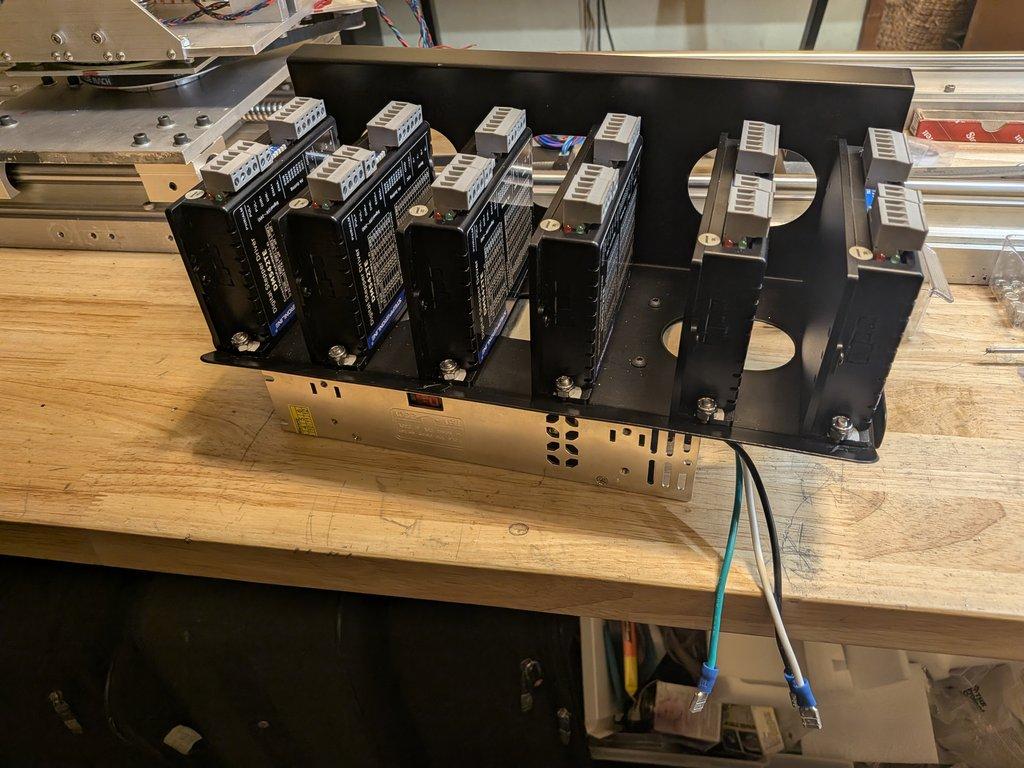
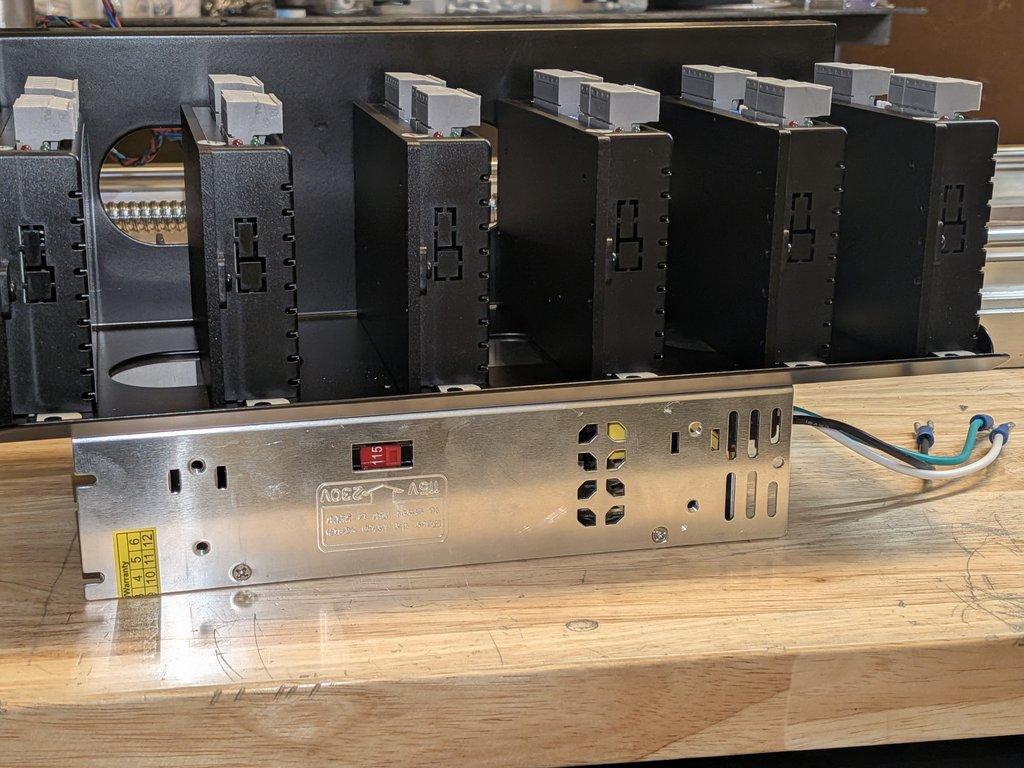
The power supply is mounted underneath, and the six drivers are positioned upright and spaced along the bracket. It’s a simple arrangement, but it establishes the structure for distributing control across multiple axes.
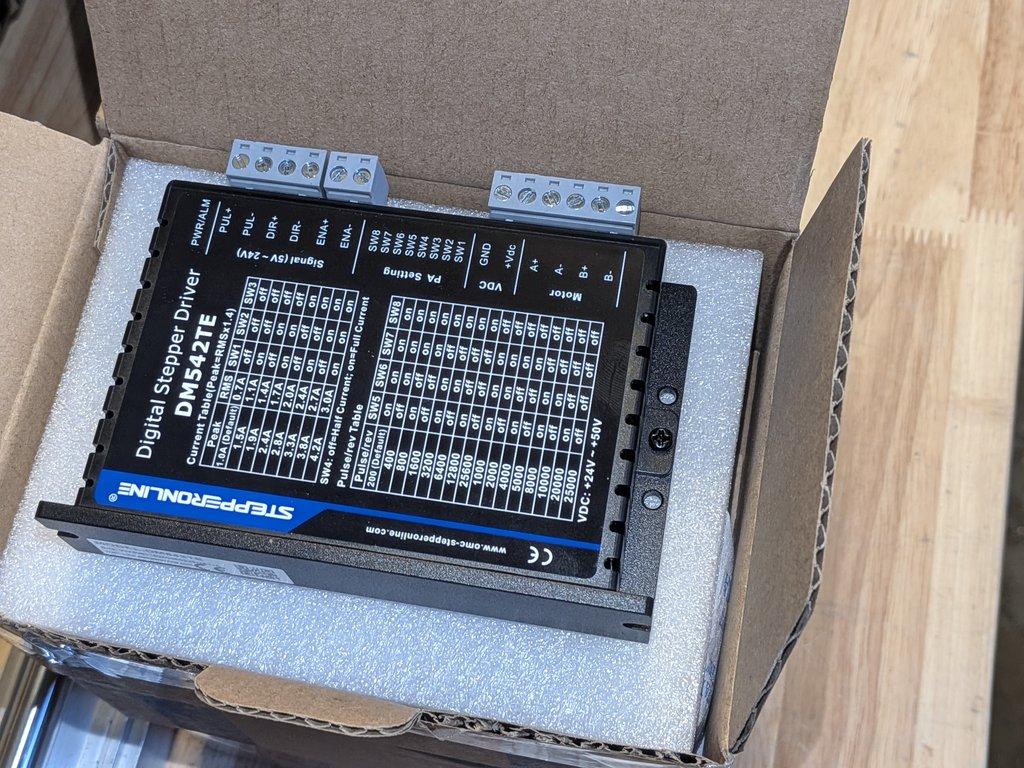
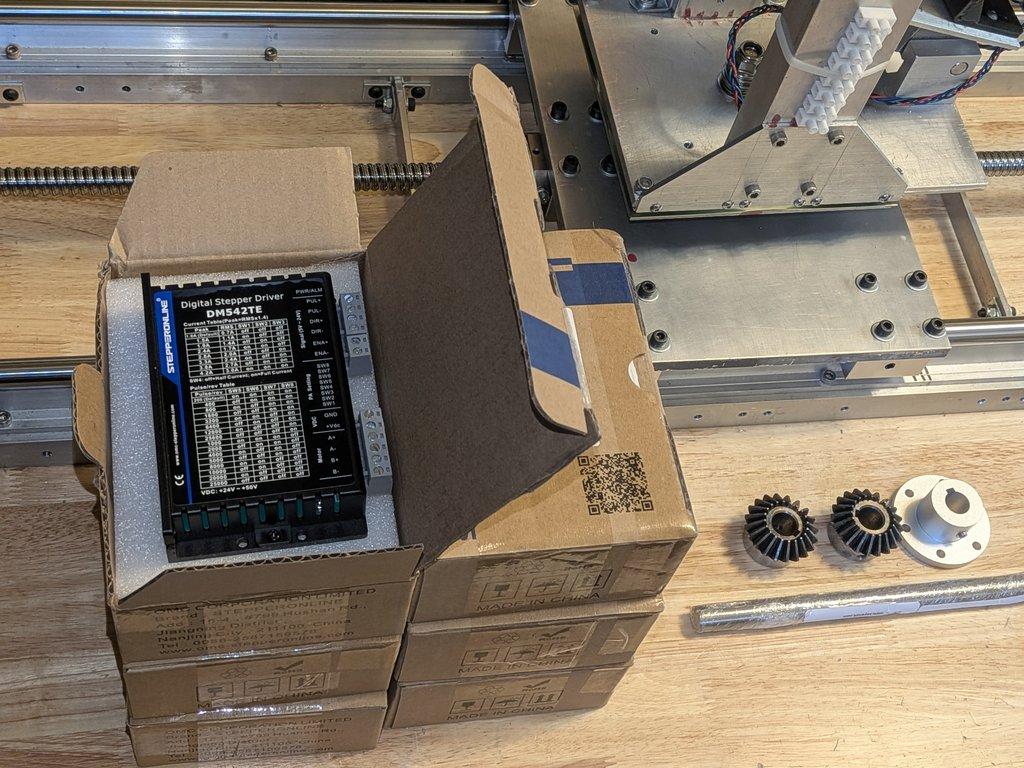
On the bench are six DM542 drivers alongside an inexpensive switched power supply. For mounting, I’m repurposing a component from a sit-stand desk. It’s a tray that normally clips onto a crossbar under the tabletop to hold accessories.
Notes
Stop-motion is a multi-disciplinary artform.
Mechanical systems, electronics, camera, lighting—each comes from a different domain. Rarely do the tools arrive as a complete, purpose-built system.
More often, they’re adapted.
A part designed for one use is brought into another context and made to work. In that process, it becomes something else entirely.
Context
This approach isn’t new.
Repurposing has a long tradition in stop-motion. Materials, tools, and systems are constantly reinterpreted to serve the needs of the shot.
What matters is not what the thing was designed to be—but what it can do in the system.
Why This Matters
The control system is not just wiring and components—it’s the interface between:
- motion
- timing
- repeatability
How it’s built affects how the entire system behaves.

Christopher Weinberg
Christopher Weinberg is the founder of LIMNMEDIA, where he develops motion control systems, production workflows, and educational tools focused on stop-motion and hybrid filmmaking. With over 15 years of experience in production, his work centers on making complex techniques more accessible through practical engineering and open development. He is currently building LIMNMOCO, a modular motion control system designed for flexible, real-world use.
No comments yet. Login to start a new discussion Start a new discussion