LIMNMEDIA - Boom Pivot Mount Assembly
This stage introduces the pivot mount for the boom drive system, marking the transition from the rotation base into the articulated structure of the crane.
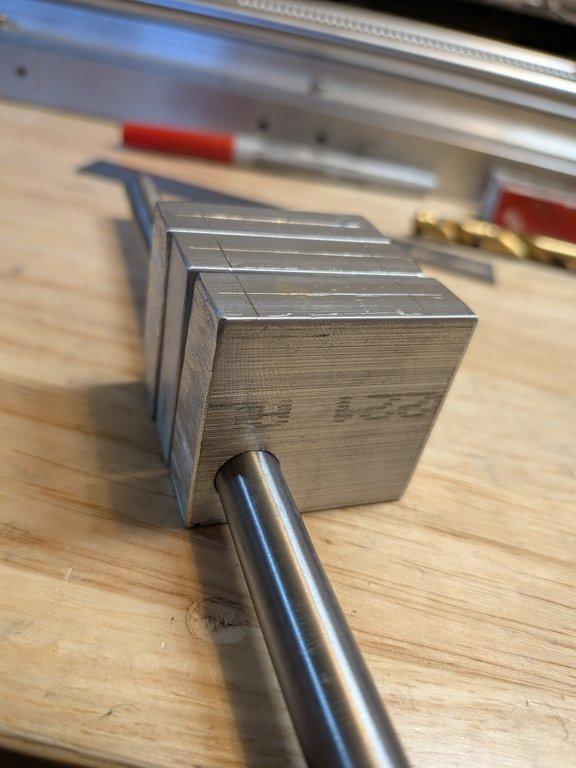
This stage introduces the pivot mount for the boom drive system, and it’s a really satisfying one. You start to see the crane move from a collection of parts into something that actually has articulation and intent.
It’s a simple setup on paper—three blocks, one shaft—but it carries a lot of responsibility in the system.
Objective
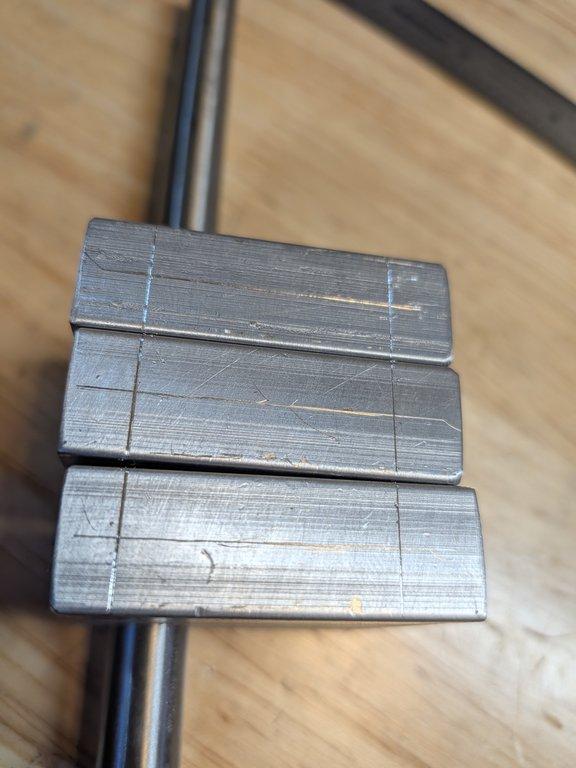
The goal here is to create a solid, well-aligned pivot point that will support the boom and carry the drive forces from the motor and ball screw. At the same time, this step is about slowing down and working carefully, because once material is removed, there’s no going back.
Process
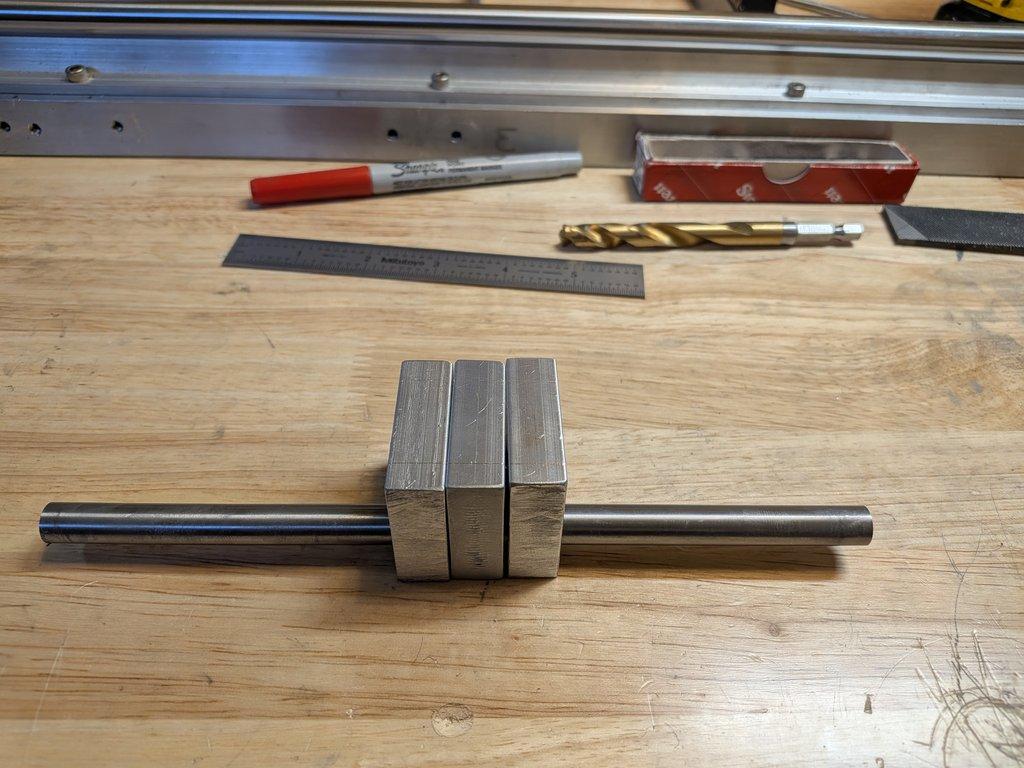
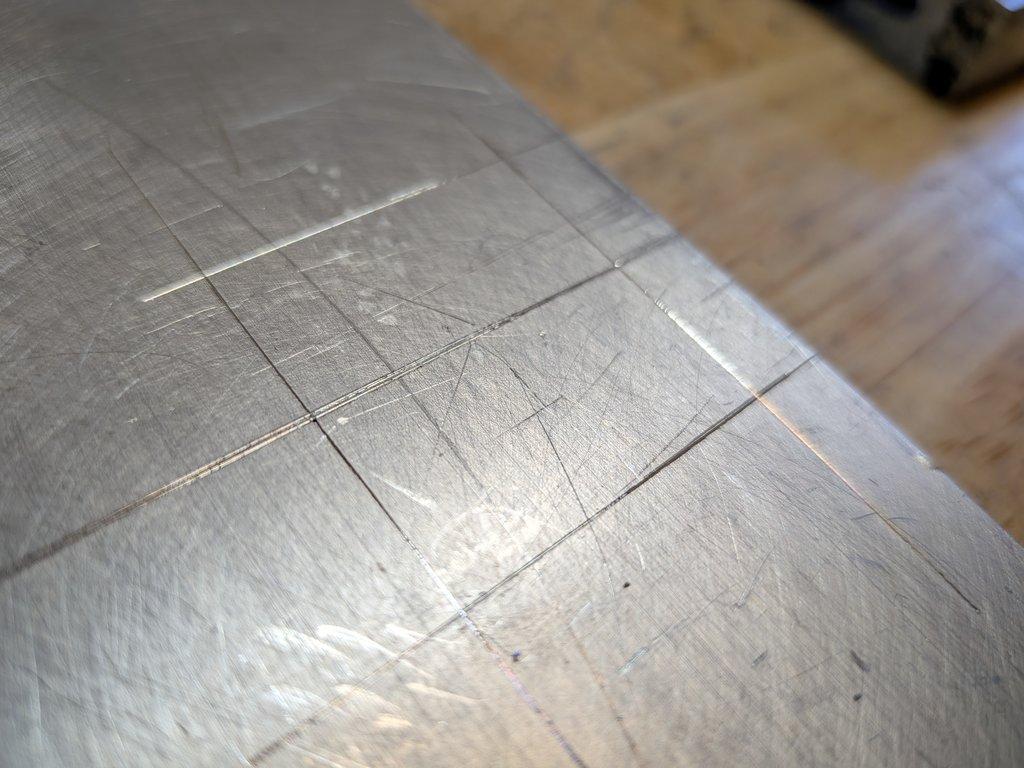
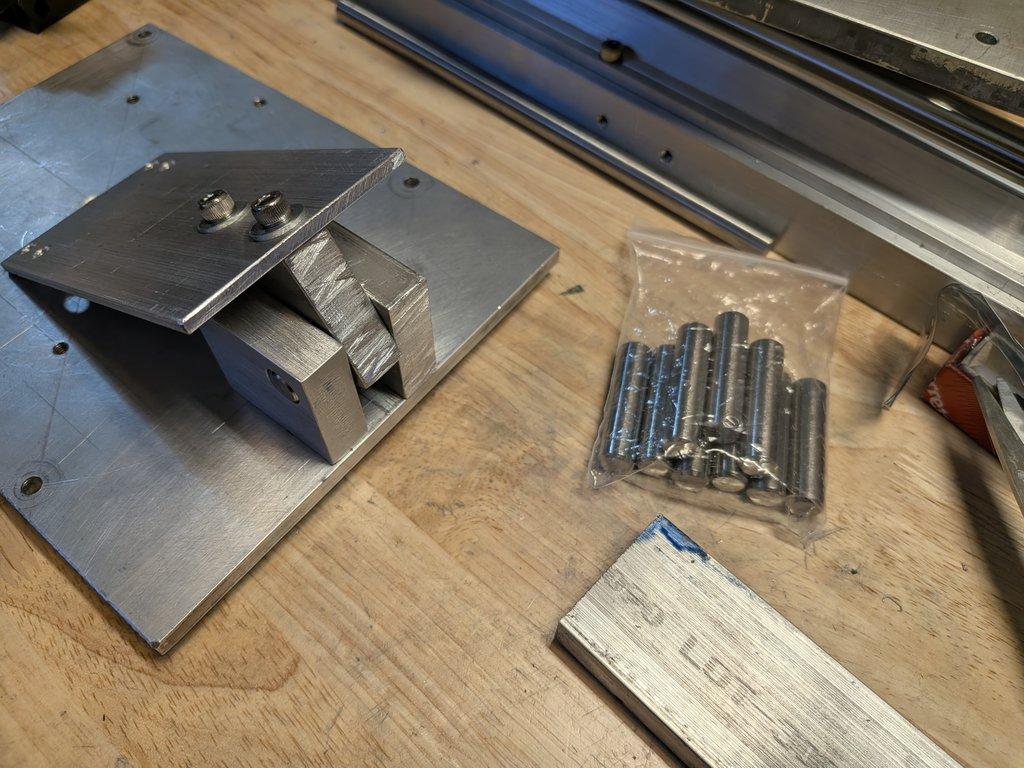
The pivot is built from three square pieces of thicker aluminum. Each one gets a 10mm hole drilled through the upper corner. When everything is lined up, those three holes become a single axis for a shaft or pin.
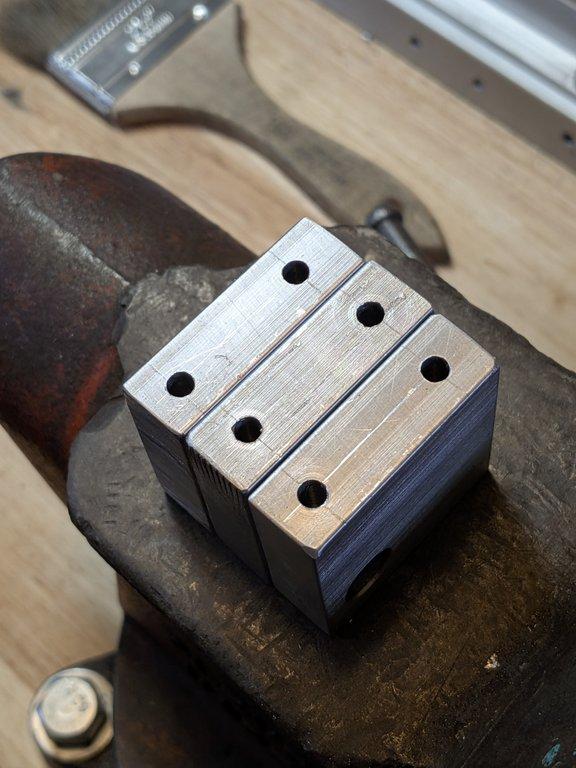
The two outer blocks are fixed to the base plate, acting as the stationary supports. The center block is attached to the adapter plate and sits between them. Once the shaft is inserted, that middle piece is free to rotate—this becomes your hinge.
That center block then carries the next layer: the motor mounting bracket and the end of the ball screw that will drive the boom.
⸻
Notes
This is one of those moments where patience really pays off.

Before drilling anything, it’s worth taking the time to:
- measure
- re-measure
- check alignment against the actual assembly
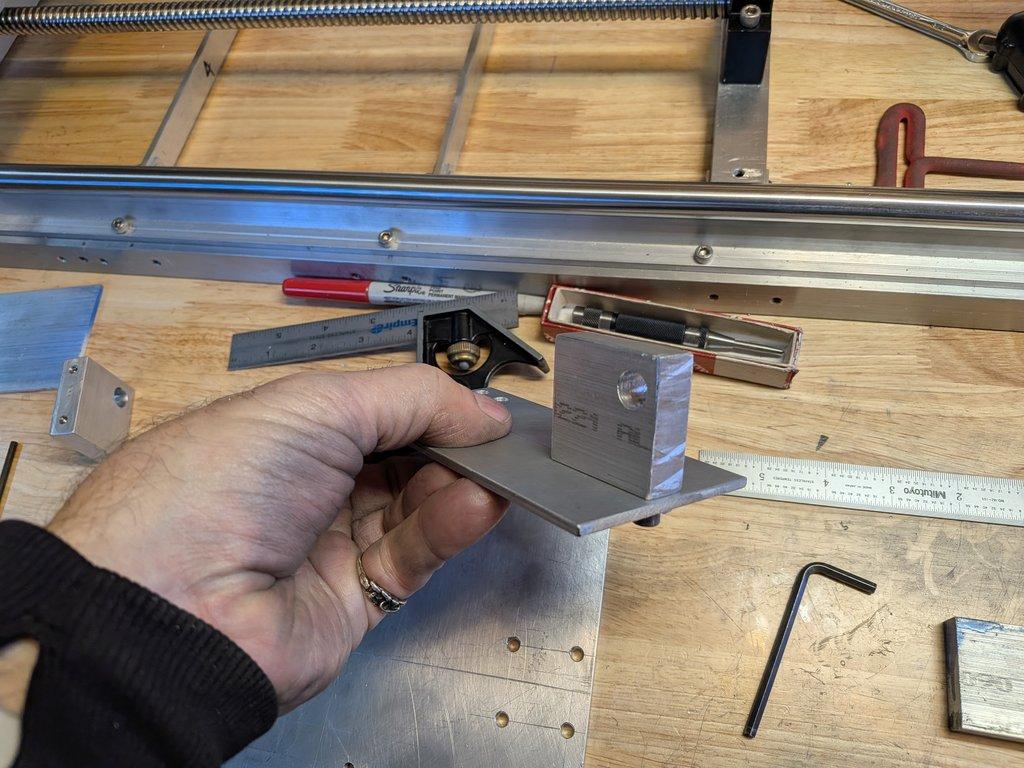
Because this is destructive manufacturing. Every hole you drill permanently changes the part. If it’s off, even slightly, you’ll feel it immediately when you try to assemble the pivot.
Getting all three holes to line up cleanly is critical. If they’re even a little out of position, the shaft will bind or introduce friction, and that will show up later as rough or uneven motion.
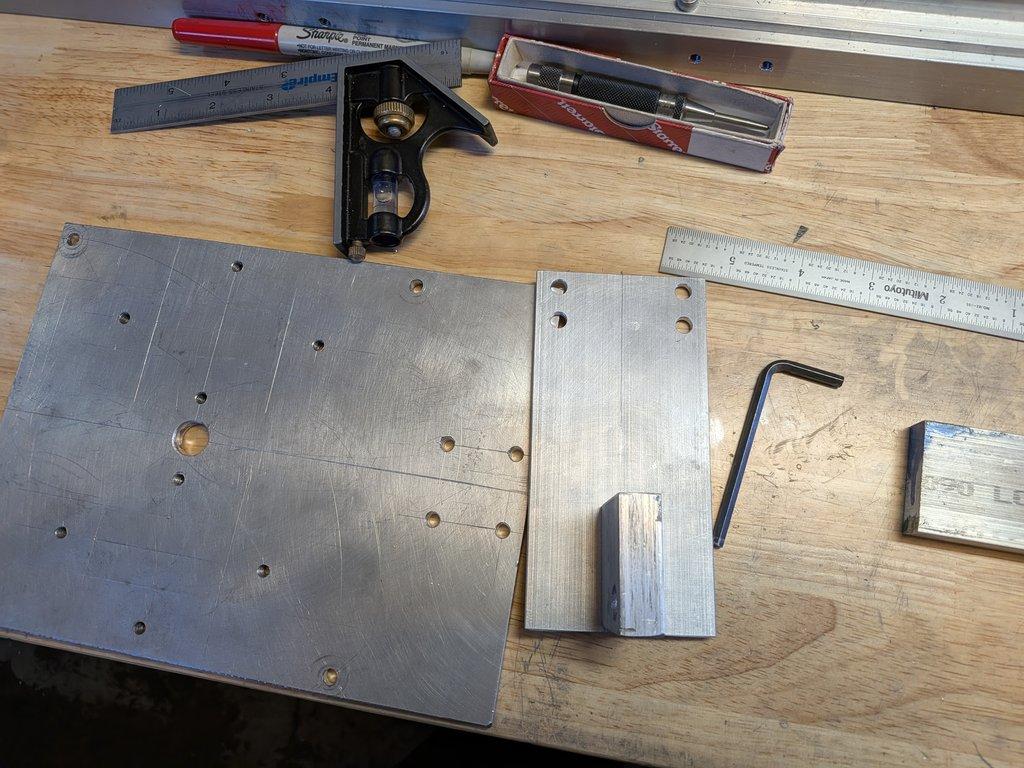
Placing the hole in the upper corner isn’t arbitrary either. That location defines the arc of the boom and affects how the load is carried through the system. Small positional changes here can have a big impact on how the crane behaves.
The thicker aluminum is doing important work as well. This joint is going to see real forces once everything is moving, so stiffness matters.
⸻
LIMNMOCO Context
This is the first true hinge in the system—the point where motion starts to branch out from the base.
Up to now, everything has been about alignment and structure. Here, you’re introducing controlled movement in a new direction. The pivot connects:
- the rotating base
- the vertical structure
- the boom drive system
That center block becomes a kind of “node” where motion is transferred and redirected.
⸻
Why This Matters
It’s easy to rush a step like this because it looks straightforward. But this is one of those places where accuracy compounds.
A clean, well-aligned pivot will feel smooth and predictable. A rushed one will fight you every time you move it.
Taking a few extra minutes to measure and check your work before drilling can save hours of frustration later. It’s one of the core habits in this kind of build:
measure twice (or three times), drill once

Christopher Weinberg
Christopher Weinberg is the founder of LIMNMEDIA, where he develops motion control systems, production workflows, and educational tools focused on stop-motion and hybrid filmmaking. With over 15 years of experience in production, his work centers on making complex techniques more accessible through practical engineering and open development. He is currently building LIMNMOCO, a modular motion control system designed for flexible, real-world use.
No comments yet. Login to start a new discussion Start a new discussion