LIMNMEDIA - Boom End Plates & Drive Slot Fabrication
This stage moves from mockup into fabrication, focusing on the end plates for the boom arm and refining the slot that allows the boom drive to pass through the boom.
It’s one of those steps where things start to feel real—you’re cutting material, fitting parts, and learning directly from how the system behaves.
⸻
Objective
The goal here is to:
- fabricate and fit the boom end plates
- refine the slot for the ball screw drive
- make sure everything has enough clearance to move freely
⸻
Process
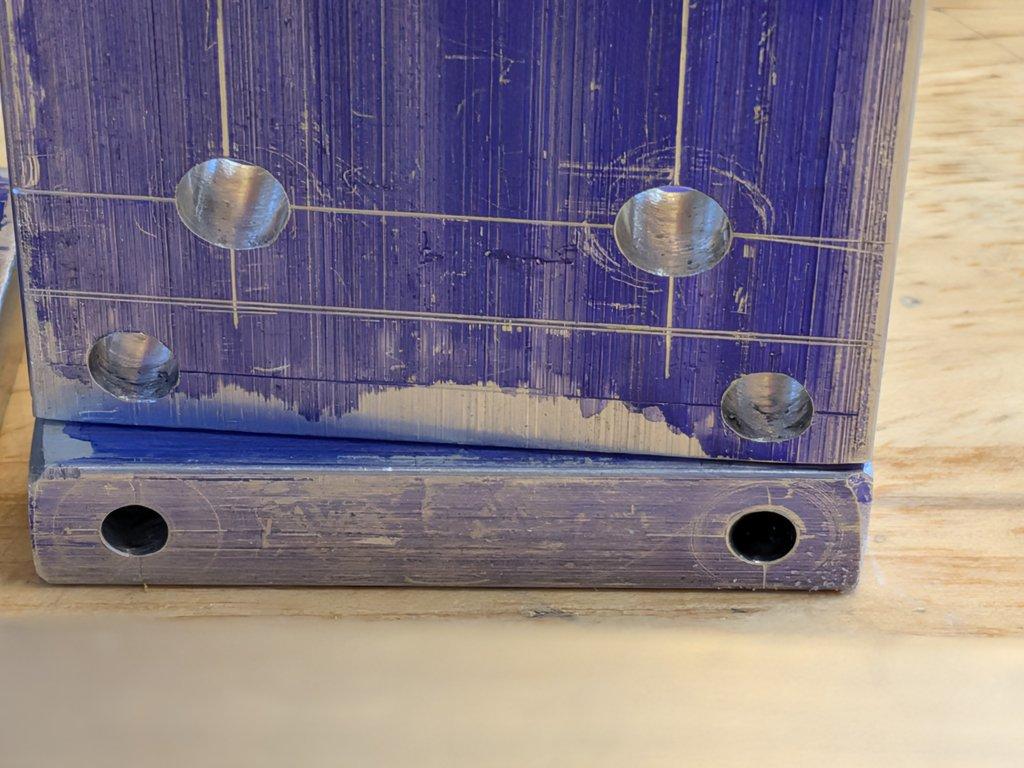
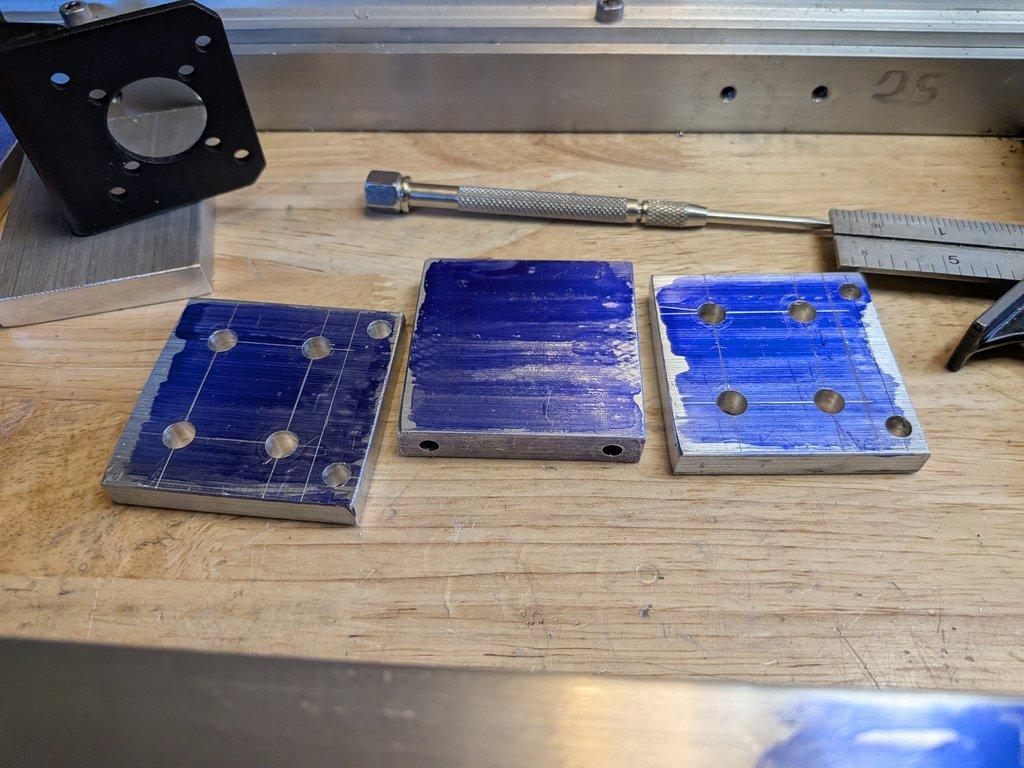
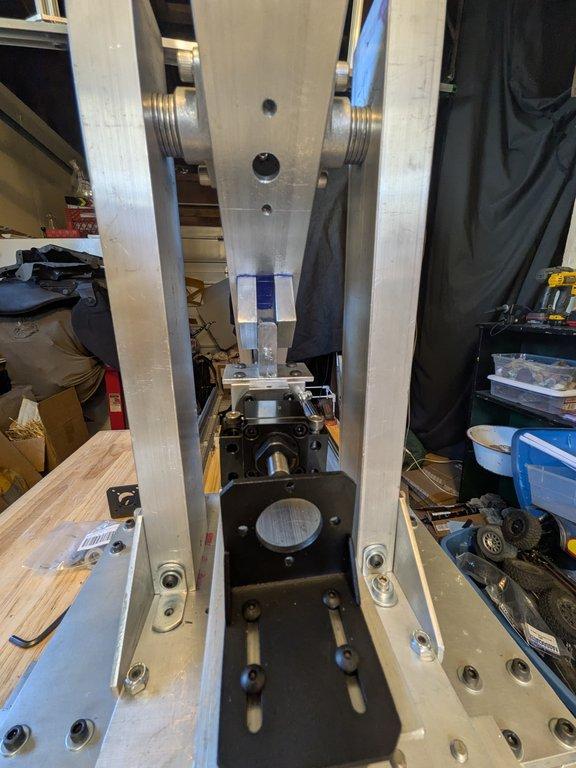
The boom end plates are cut, drilled, and fitted to the end of the square tube. These will define the pivot interface and carry the next stage of the build.
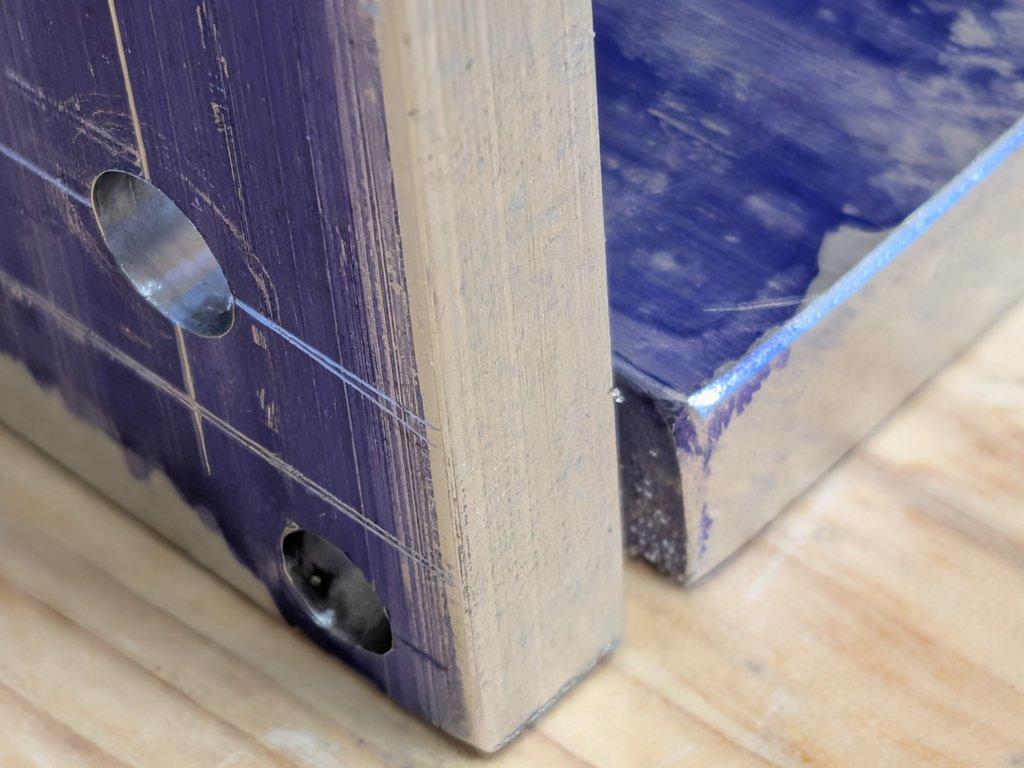
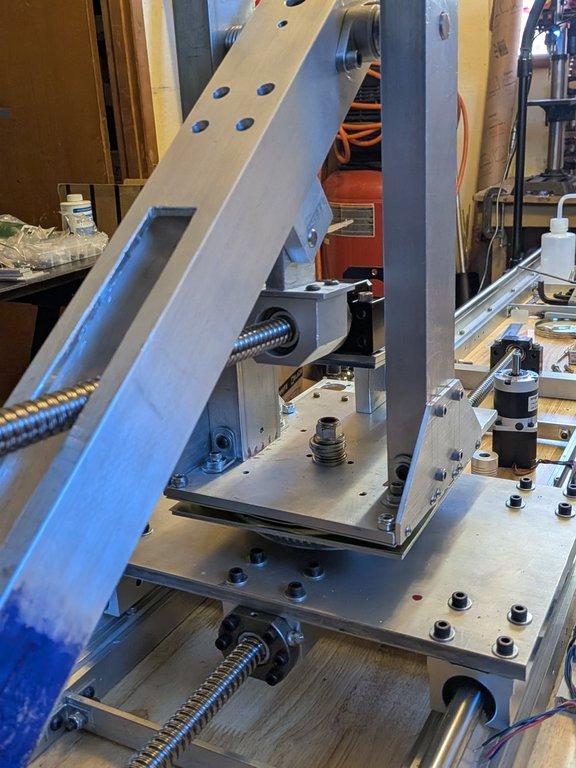
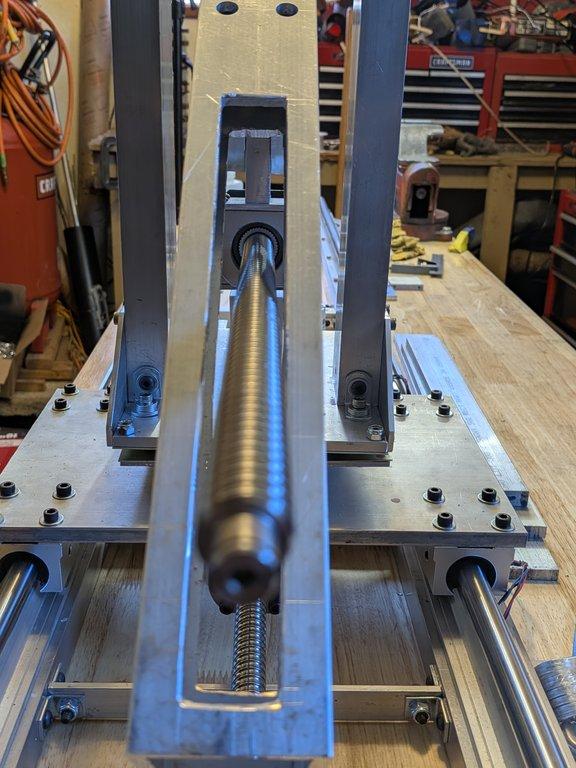
At the same time, the slot in the boom—initially roughed out—is opened up further to allow the ball screw and its moving components to pass through without interference.
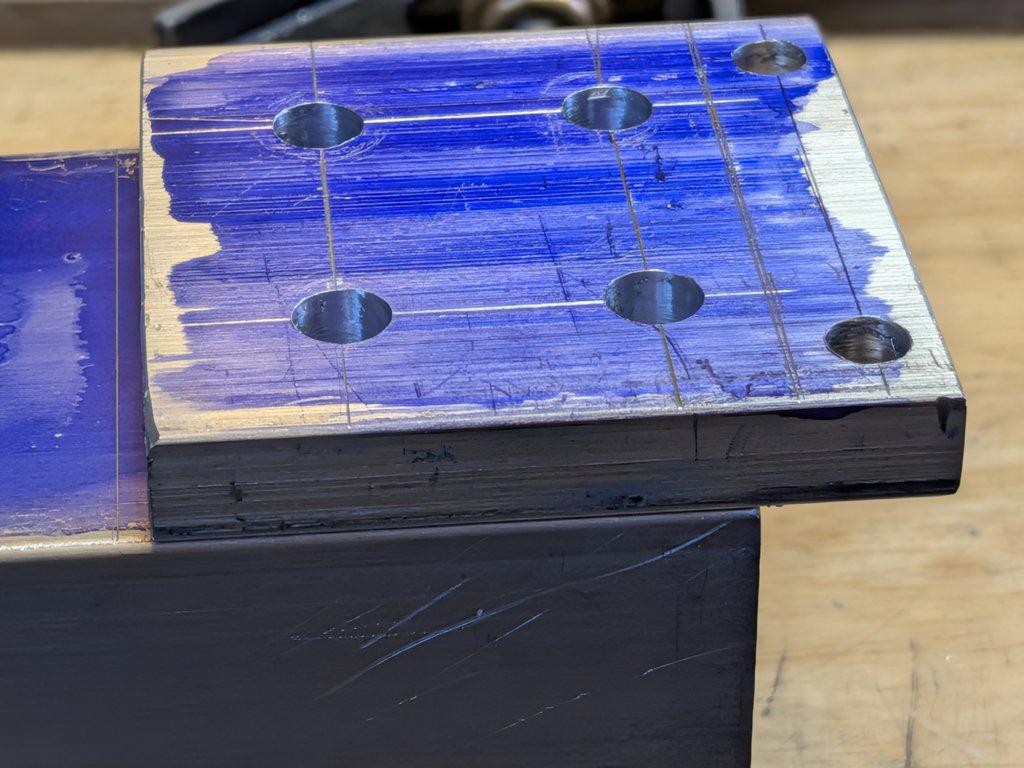
The slot was created using the drill press method (a row of holes) and then shaped and cleaned up by hand with a file. From there, it’s a process of checking the motion, looking at clearances, and adjusting as needed.
⸻
Notes
This is one of those moments where the system teaches you something pretty quickly.
In this case, I definitely cut out more slot than I actually needed. It works, but it’s a good reminder that it’s easy to remove material—and impossible to put it back. In hindsight, this is a place where taking smaller steps and testing more frequently would have been better.
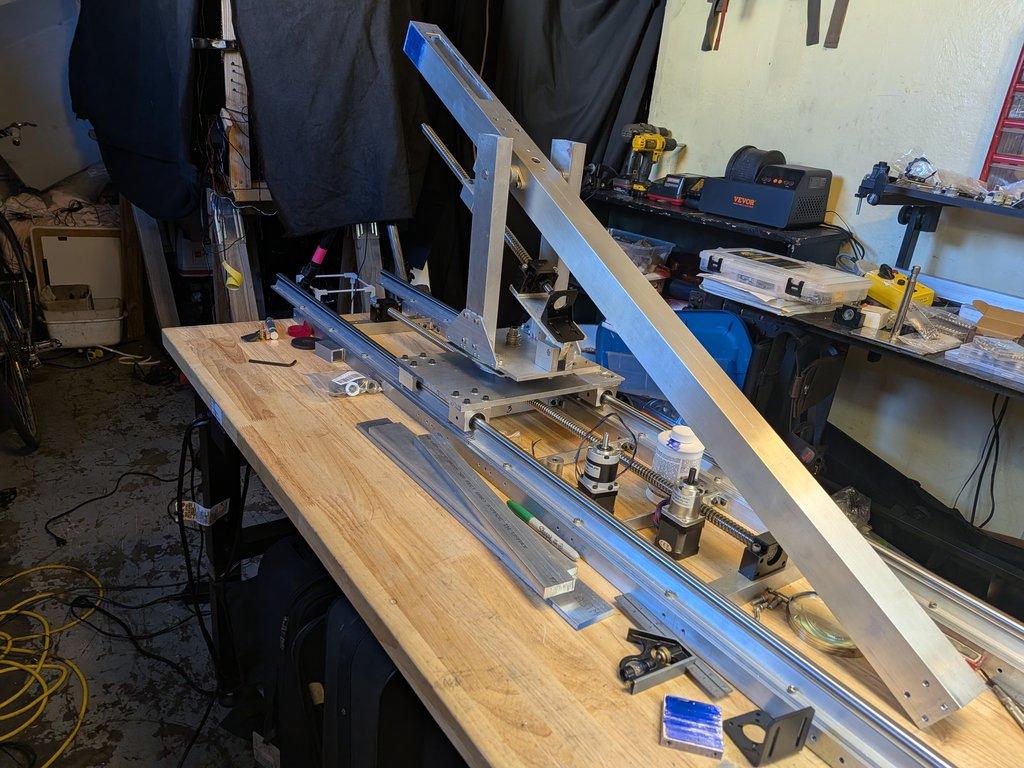
At the same time, seeing the motion in context makes other things obvious:
- The uprights could benefit from being taller
- The boom arm itself could likely be longer
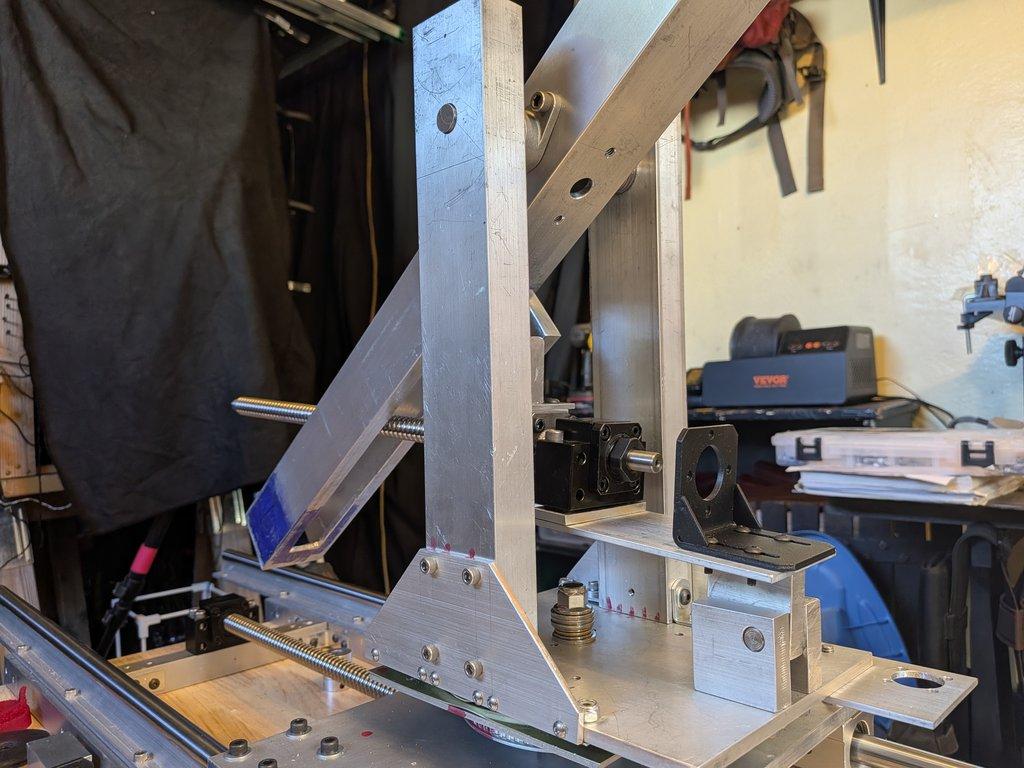
Both of those would improve the usable range of motion, especially vertically.
That said, those ideas are intentionally put on hold for now.
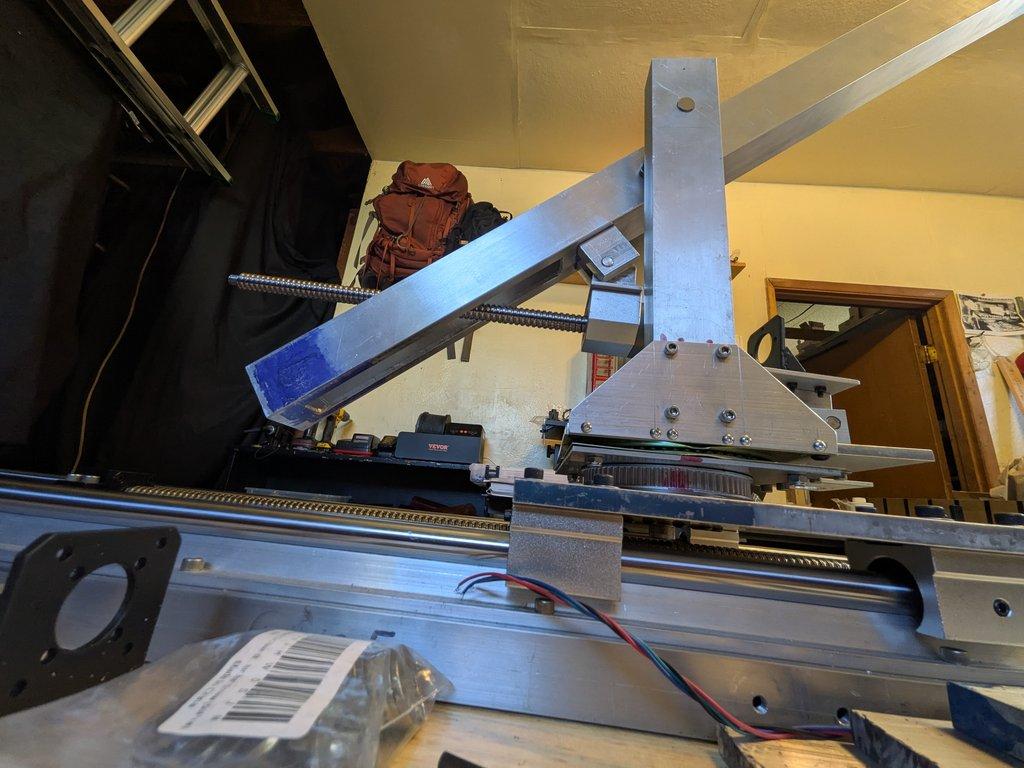
Before changing the proportions of the system, it’s important to:
- complete the head assembly
- add counterweights
- understand the full load on the system
Once that’s in place, it will be much clearer what changes actually make sense.
⸻
LIMNMOCO Context
This step ties together the boom structure and the drive system in a more complete way.
The slot defines the space the mechanism needs to move, while the end plates define how that movement connects to the rest of the crane.
It’s also one of the first times the overall proportions of the system start to become visible—and start to raise new questions.
⸻
Why This Matters
This is a great example of how physical builds evolve.
You start with an idea, make a cut, test it—and then immediately learn something you couldn’t fully predict.
The key is not getting it perfect on the first pass. It’s about:
moving forward, learning from each step, and adjusting intentionally
And just as important:
knowing when not to make a change yet

Christopher Weinberg
Christopher Weinberg is the founder of LIMNMEDIA, where he develops motion control systems, production workflows, and educational tools focused on stop-motion and hybrid filmmaking. With over 15 years of experience in production, his work centers on making complex techniques more accessible through practical engineering and open development. He is currently building LIMNMOCO, a modular motion control system designed for flexible, real-world use.
No comments yet. Login to start a new discussion Start a new discussion